Fuego Alternatives: Pulse vs Fuego, Yami, Taygra and Other Dance Sneakers
Part of: Salsa and Bachata Dance Shoes: How to Choose the Right Pair
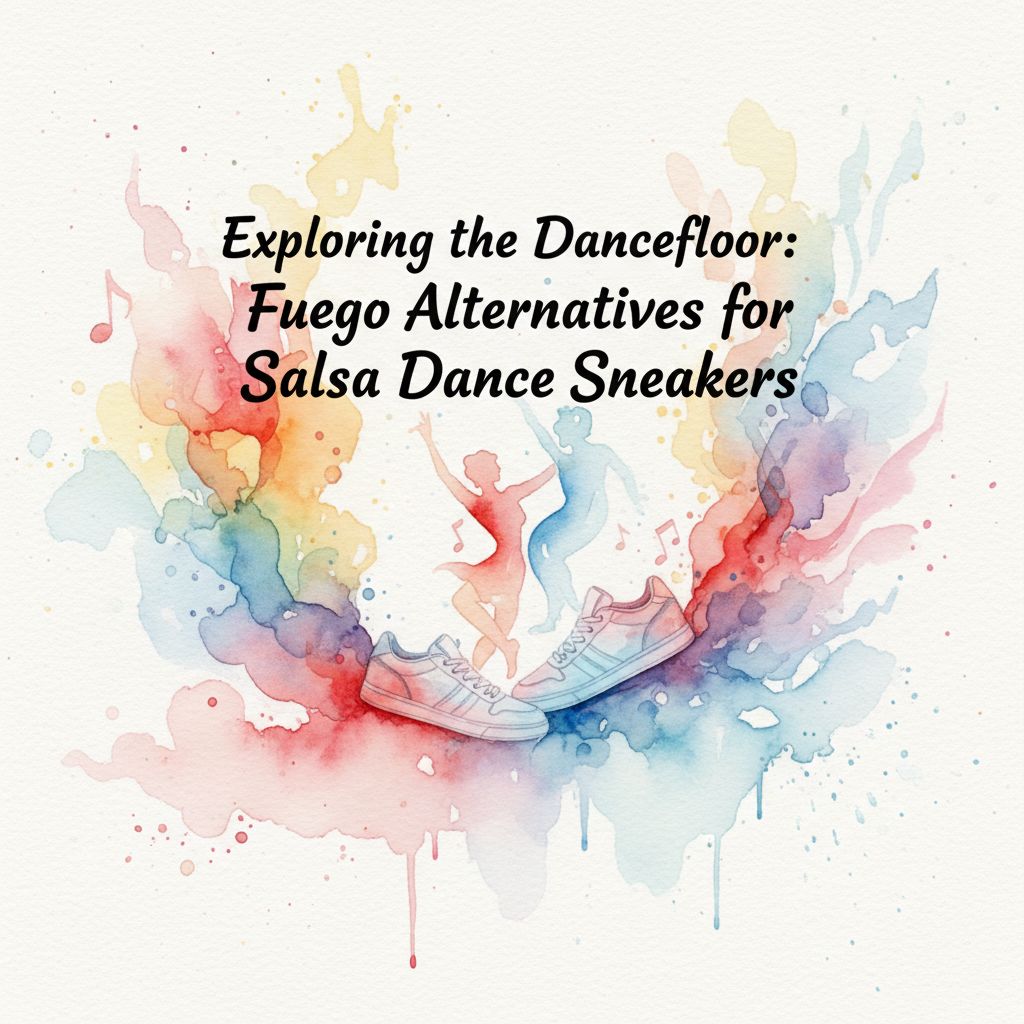
The Fuego alternatives salsa and bachata dancers mention most often are Yami, Taygra, Pulse, Bloch and Capezio dance sneakers. They all aim for the same thing as Fuego: a sneaker that grips enough to stop but slides enough to spin. Where they differ is the sole design, the cushioning and the width.
This page compares them using what each brand says about its own shoes, plus what dancers report in community threads. For heels, suede-soled shoes and how to choose your first pair, see our guide to salsa and bachata dance shoes.
Why look for a Fuego alternative?
Fuego is the dance sneaker many salsa and bachata dancers start with. Its patented FlowTec outsole has dual pivot points that are “built with a contrasting material and density and raised slightly relative to the rest of the sole”, which the brand says gives “the perfect balance of slip and grip” on surfaces from hardwood to concrete (Fuego technology page).
Dancers still go shopping for alternatives, usually for one of these reasons:
- Fit. Fuego’s FAQ says “Our shoes are all standard width” and suggests half a size larger for wider feet (Fuego FAQ). Some dancers want a roomier toe box or a different last.
- Budget. Dance sneakers are not cheap. Some dancers wait for seasonal sales, others look for a brand with a lower price.
- Feel. Some dancers want more cushioning for long festival nights. Others want a thinner, more slippery sole for fast spins.
- Style. Some dancers just want a different look.
Quick comparison: Fuego and the main alternatives
| Brand | What the brand says about the sole | Width | Source |
|---|---|---|---|
| Fuego | Patented FlowTec outsole with raised dual pivot points; for indoor and outdoor surfaces | Standard width only; size up half a size for wide feet | Fuego |
| Yami | SpinSole with a “dual pivot point sole” and “thick, cushioned outsoles” | USA standard width; size up half a size for wide feet | Yami |
| Taygra | PVC soles with “an excellent balance between spin control and grip”; most outsoles “very thin”, Urbano thicker | One regular width; Urbano and some other models are its widest | Taygra help centre |
| Bloch (Classic Boost) | Split sole, “dedicated spin spot”, balance “between grip and slip” | Runs small; size up half to a full size | Bloch FAQ |
| Capezio | Split-sole sneakers with a spin spot, a “smooth, circular section built into the forepart of the outsole” | Not stated on that page | Capezio |
| Pulse | No manufacturer spec sheet we could verify; dancer reports only (see below) | Dancers describe a roomier fit | Community reports |
Pulse vs Fuego: what dancers report
“Pulse vs Fuego” is one of the most-searched comparisons for dance sneakers. We couldn’t find an official spec page from the maker of Pulse dance sneakers, so everything in this section comes from dancers’ reports, not brand claims.
In community threads, dancers who tried both tend to agree on three things:
- Pulse feels roomier. Dancers with wider feet often say Pulse is more comfortable straight out of the box.
- Pulse feels more cushioned. The thicker insole helps on long nights. The trade-off is a little less floor feel.
- Pulse grips a bit more. Some dancers find Fuego the more slippery shoe. Dancers who like extra control on a slick wooden floor prefer Pulse. Dancers who do a lot of multiple spins often prefer Fuego.
Neither shoe is “better” for everyone. If your current floor is slippery and your Fuegos feel like ice skates, a grippier sneaker makes sense. If you mostly dance on sticky studio floors, a slicker pivot point helps more.
Yami: do they spin well?
Earlier versions of this article said two different things about Yami. One line said they “don’t spin as well as Fuego”, and another praised their “slipperiness” for spins. Here is what the brand itself says.
Yami describes its SpinSole sneakers as having a “dual pivot point sole, ensuring smooth and effortless spins on any surface”, with “thick, cushioned outsoles” (Yami). The outsole is “designed to facilitate spins on the ball of the foot”, and the upper is vegan leather (Yami).
So Yami sneakers are designed to spin. Yami doesn’t compare them with Fuego, and dancers’ opinions on how the two feel differ. Some prefer Fuego’s lower, firmer feel. Others like Yami’s extra cushioning. The fair summary is that both are spin-friendly dance sneakers with different amounts of cushioning. Try them on the floor you dance on most.
Yami’s own surface guide makes a useful general point: suede soles suit polished wood, rubber street soles suit tile and concrete, and “suede wears down quickly outside” (Yami surface guide).
Taygra: thin, slippery and good value
Dancers often mention Taygra as a slicker, lighter option than Fuego. The brand’s help centre says its PVC soles are “more resistant than leather soles” and offer “an excellent balance between spin control and grip”. Most models have a very thin outsole, while the Urbano line has “a sturdier upper and a thicker sole” and is among its widest models (Taygra help centre).
In practice, dancers describe the thin Taygra models as needing little effort to turn, but with little padding. That suits dancers who value floor feel over cushioning. The Urbano is the usual suggestion for dancers who want more room and more padding.
Bloch and Capezio: split-sole dance sneakers
The big dancewear brands also make dance sneakers, mostly with a split sole and a spin spot:
- Bloch’s Classic Boost has “split sole construction” and a “dedicated spin spot”. Bloch says its dance sneakers “generally run small” and advises going up half a size to a full size (Bloch FAQ).
- Capezio describes a spin spot as “a smooth, circular section built into the forepart of the outsole”. A split sole “separates the forepart from the heel” (Capezio).
These are studio-style dance sneakers. Some salsa dancers love the flexible split sole, while others prefer the look and feel of a street-style sneaker like Fuego or Yami.
Other options dancers mention
Community threads also mention a few other routes:
- Odori. Dancers describe a leather upper that needs some breaking in, and a sole that some find more slippery than Fuego. We couldn’t verify specs from the brand.
- Latin and ballroom brands’ sneakers. Very Fine, and makers better known for heels such as Jose Botta, G Franco and Manuel Reina, come up as alternatives. Check each model’s sole type before you buy.
- Ordinary flat-soled sneakers. Some social dancers use classic court shoes with a flat, smooth sole, such as Adidas Stan Smiths, and accept a bit more grip.
- DIY suede patches. Some dancers glue suede onto the ball of an old pair. Suede soles shouldn’t be worn outside, so these become indoor-only shoes. Suede also wears quickly on concrete, gravel or wet ground (Salsanueva shoe guide).
White or black sneakers?
White dance sneakers are everywhere at bachata and salsa socials, and for practical reasons. White shows footwork clearly and goes with almost any outfit. Most dance-sneaker brands also launch their core models in white. The downside is that white shows dirt fast. If you’d rather not clean your shoes after every social, black versions are widely available.
How to choose your Fuego alternative
Use this checklist before ordering:
- Where do you dance? For polished wood only, any spin-spot sneaker (or suede) works. For tile, concrete or outdoor socials, choose a sole the brand says is for street use.
- How much cushioning do you want? Thick and cushioned (Yami, Taygra Urbano, Pulse by most reports) or thin with more floor feel (most Taygra models)?
- What’s your foot shape? Most brands make one standard width and suggest sizing up. Dancers with very wide feet should read our guide to wide dance shoes and sneakers first.
- How do the sizes run? Fuego says it runs true to size, while Bloch says its dance sneakers run small. Check each brand’s chart.
- Do you need one pair or two? Many regular social dancers keep a grippier pair for slippery floors and a slicker pair for sticky ones.
If bachata is your main dance, our guide to the best shoes for bachata covers spins, floor feel and when to choose flats or heels.
FAQ
What is the best alternative to Fuego dance sneakers?
There isn’t one best alternative. Choose by feel. Yami and the Taygra Urbano are the usual picks if you want more cushioning. Most Taygra models give a thinner, slicker feel. Bloch and Capezio make flexible split-sole options. Pulse is popular with dancers who want a roomier, slightly grippier sneaker.
Is Pulse or Fuego better for salsa?
It depends on the floor and your turning style. Dancers generally describe Fuego as the slicker shoe and Pulse as the roomier, more cushioned and slightly grippier one. Lots of fast spins on sticky floors suit Fuego. Wider feet or slippery floors suit Pulse.
Can I wear dance sneakers outside?
Fuego says its shoes work on concrete, grass and other outdoor surfaces, and Yami markets SpinSoles for outdoor socials too. Suede-soled shoes are different: keep them indoors.