Salsa Shoes for Women: Choosing Heels and Learning to Dance in Them
Part of: Salsa and Bachata Dance Shoes: How to Choose the Right Pair
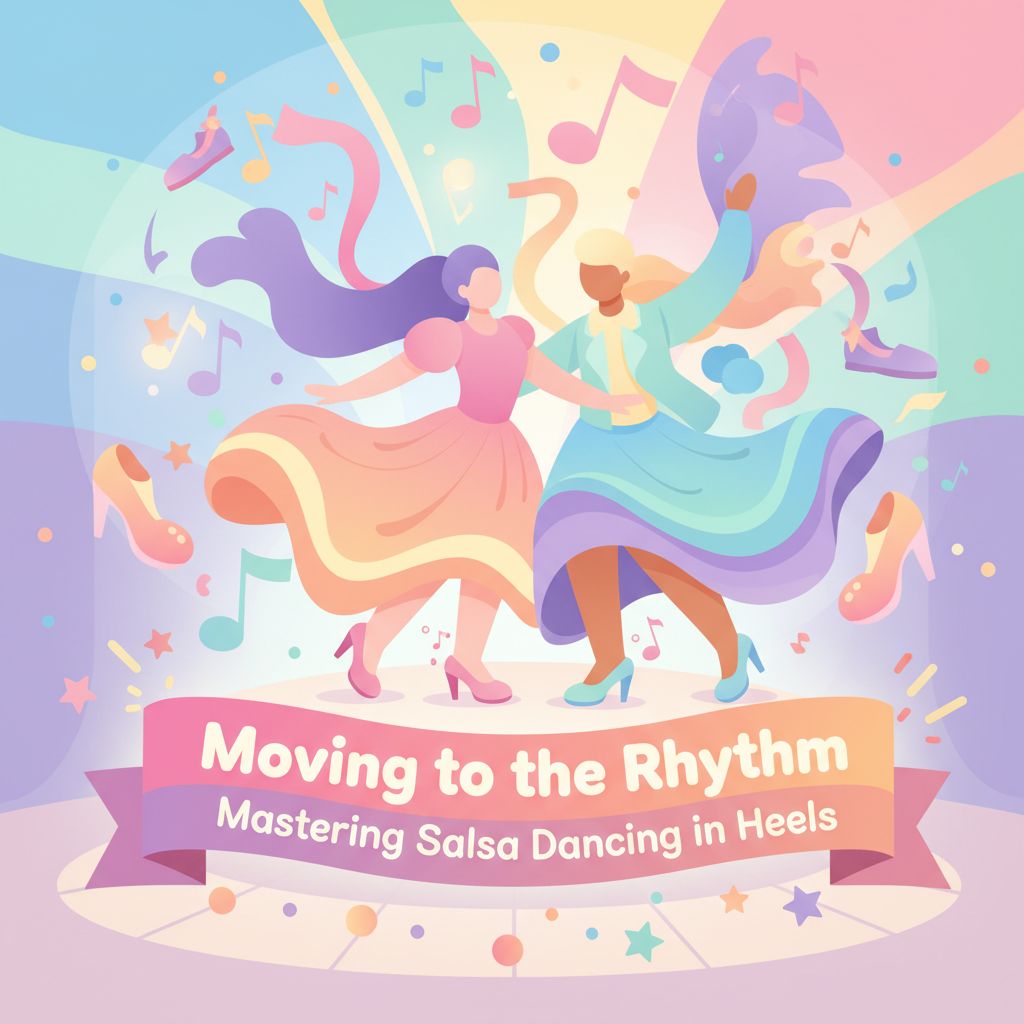
A good women’s salsa shoe is a snug, strapped Latin sandal with a suede sole and a heel you can control. Dance-shoe brands usually put salsa heels at about 2 to 3 inches and suggest beginners start lower. Choose a height you can spin in at the end of a long night, and build up from there.
This article focuses on heels for women. For sneakers, wide feet, bachata shoes and the bigger picture, see our guide to salsa and bachata dance shoes.
What makes a salsa shoe different from a regular heel?
A party heel and a Latin dance heel can look alike, but they behave very differently on a dance floor. Dance heels are built to stay on the foot through fast turns and to let the foot bend and point. In practice that means:
- An ankle strap or T-strap, so the shoe moves with your foot instead of lagging behind it.
- A close, snug fit, with little room for the foot to slide. Dance heels often feel tighter than street shoes at first and need some breaking in.
- A flexible sole, so you can roll through the foot and keep your weight on the ball.
- A suede sole, which gives the slide-and-grip balance that turns need on a wooden floor.
Most salsa heels are open-toe sandals. Ankle boots have become popular with some dancers too. They feel secure around the ankle, but they often come with a higher, thinner heel, so they suit dancers who are already confident in heels.
How high should a salsa heel be?
There’s no single right height, but brand and retailer guides agree on the broad ranges:
| Level | Adore Dance Shoes | Salsanueva |
|---|---|---|
| Beginner | Lower heels, about 1–2 in | About 2–4 cm |
| Social / intermediate | About 2–2.5 in for social and salsa dancing | About 5–7 cm |
| Advanced / show | 3 in and up | About 7–8.5 cm |
Adore describes Latin, salsa and tango heels as usually “2–3 inches”. The point of starting lower isn’t that low heels are “easier salsa”. A lower heel lets your ankles, calves and balance adapt while you’re still learning the footwork, so you build good habits instead of fighting the shoe.
Which straps, fit and heel shape should you look for?
When trying on salsa shoes, dancers and teachers commonly suggest checking:
- Heel stability: a heel with a slightly wider base feels steadier than a very thin stiletto, especially at first.
- Strap position: the ankle strap should hold the heel of the shoe against your heel without digging in.
- Toe area: your toes shouldn’t hang over the front of an open-toe sandal, and they shouldn’t be crushed together.
- Fit while moving: rise onto the ball of your foot and do a slow pivot in the shop or at home. If your heel lifts out of the shoe, it’s too loose.
Leather uppers tend to soften and mould to the foot over time. Synthetic uppers are often cheaper and need less breaking in, but stretch less. Either can work. Comfort over a full night matters more than the material.
How do you look after suede soles?
Suede is the standard sole on Latin heels because it lets you turn smoothly on a wooden floor while still giving some grip. It has two weaknesses: the outdoors and water.
- Don’t wear suede-soled shoes outside. Suede wears out quickly on concrete, gravel and wet ground, so carry your dance shoes in a bag and change at the venue.
- Keep them dry. Suede doesn’t perform well when wet, and it shouldn’t be dried with direct heat.
- Brush them. When the sole looks shiny or packed down, a suede brush lifts the nap and restores traction.
Some dancers have favourite pairs resoled with fresh suede rather than replacing them.
Heels or sneakers: which should you dance in?
At socials, this is entirely personal. Plenty of follows dance in flat dance sneakers all night, especially at outdoor events, on tile or concrete, or when they plan to dance for hours. If that’s you, our look at Fuego alternatives and other dance sneakers compares the popular brands.
Performance teams and competitions are different. Directors usually want the whole team in matching footwear, and one dancer in sneakers among a line of heels breaks the visual uniformity of a routine. Heels are also part of the polished look many judges and audiences expect. In solo or couple performances there’s often more freedom, and some dancers decorate sneakers to suit a costume.
Many instructors and team dancers also value heels as a training tool. Heels encourage you to keep your weight forward over the balls of your feet, demand more ankle strength, and quickly expose balance problems that flats can hide. Even dancers who prefer sneakers at socials sometimes practise in heels for that reason.
How do you get comfortable dancing in heels?
Getting comfortable in heels is a skill you build, not something you either have or don’t. A common progression:
- Start low. Pick a heel in the beginner range above rather than the height you’d like to end up at.
- Practise at home first. Basic steps, weight changes and slow turns on a clean, smooth floor, so the suede stays clean.
- Mix shoes during the night. Dance a few songs in heels, then switch to flats or sneakers before your ankles get tired. Extend the time in heels gradually.
- Keep your weight on the balls of your feet. In salsa, staying forward over the ball of the foot is what keeps you balanced through fast footwork and turns. Sitting back into the heel is what makes heels feel unstable.
- Move up slowly. Only go higher once the current height feels natural for a whole social.
Strength and balance work helps a lot. Exercises dancers often use include:
- Calf raises, slow and controlled, on both legs and then on one leg.
- Single-leg balance, first on a flat floor and then rising onto the ball of the foot.
- Ankle circles and resistance-band work to build stability in every direction.
Expect to feel awkward at first. Nearly every dancer who’s comfortable in heels went through a phase of wobbling through turns that felt easy in flats.
Quick checklist for buying salsa heels
- A heel height you can control at the end of the night, not just at the start
- An ankle strap or T-strap that holds the shoe to your foot
- A snug fit with no heel slip when you rise onto the ball of the foot
- A suede sole, kept for indoor floors only
- A heel base that feels stable when you pivot
- A pair of flats or dance sneakers in your bag as backup
The right pair is the one that lets you forget about your feet and focus on the music and your partner.