Salsa and Bachata Dance Shoes: How to Choose the Right Pair
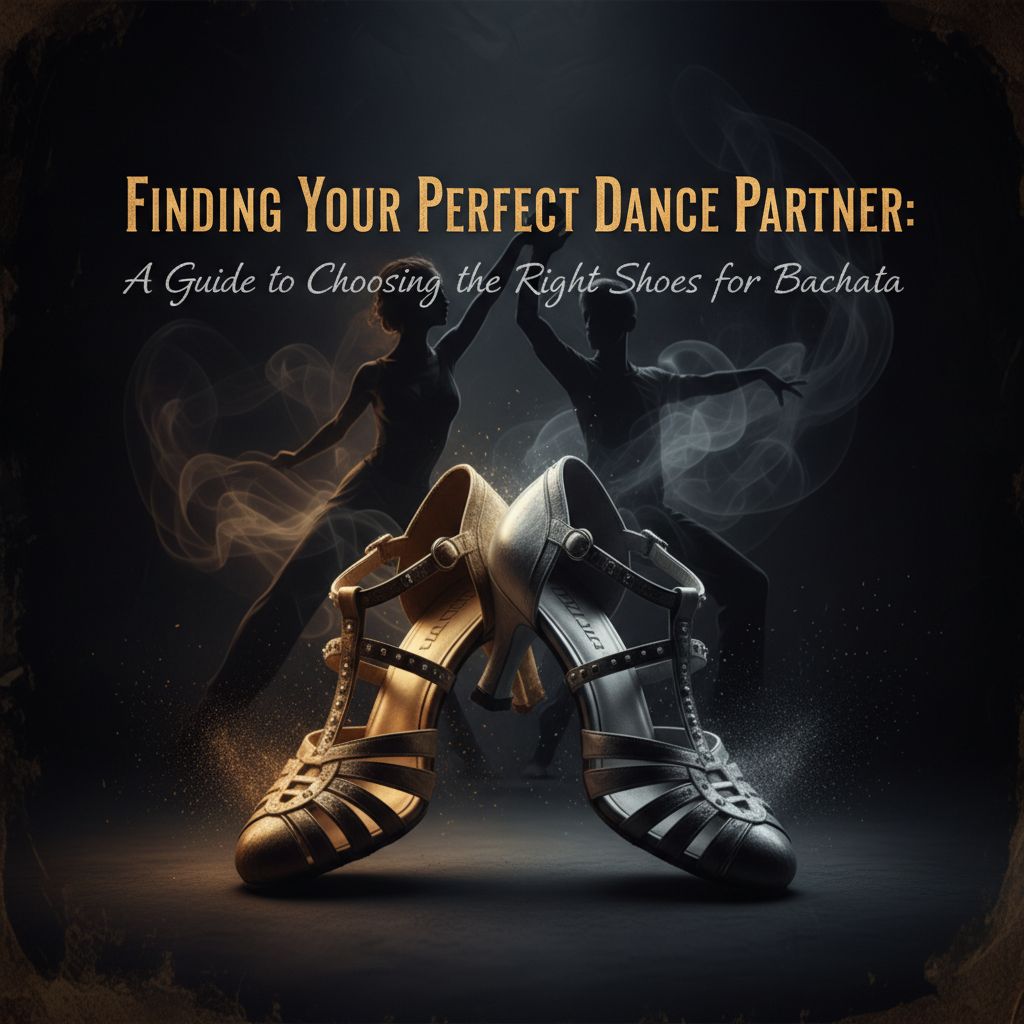
The best salsa and bachata dance shoes let you pivot on the ball of your foot without slipping. On indoor wooden floors, that usually means a suede-soled Latin shoe. On mixed or outdoor floors, it means a dance sneaker with a spin spot. Many follows wear a heel of about 2 to 3 inches. Most leads wear sneakers or Latin shoes.
Beyond those basics, the right pair depends on your floor, your feet and how often you dance. This guide covers each choice in turn: sole types, what bachata and salsa ask of a shoe, heels, dance sneakers, wide feet, outdoor socials, fit, care and what to wear with your shoes. Brand details come from the brands’ own pages, and we don’t quote prices.
Which type of dance shoe should you choose?
Most social dancers end up choosing between four kinds of shoes. The sole matters more than anything else:
| Shoe type | Sole | Best for | Watch out for |
|---|---|---|---|
| Latin or ballroom dance shoe (heels for follows, low-heeled Latin shoes for leads) | Suede | Polished wooden studio and ballroom floors | Not for outdoors. Suede wears out fast on concrete and doesn’t perform when wet |
| Dance sneaker | Rubber or PVC with a smooth spin spot under the ball of the foot, often a split sole | Mixed floors, socials in bars and clubs, outdoor events, long festival nights | Feels heavier and gives less floor feel than suede. Some models run small |
| Flat street sneaker | Flat rubber sole with a smooth tread | Your first few classes and socials | Can be too grippy for multiple spins, which strains knees |
| Running or trail shoe | Deep, grippy tread | Nothing on the dance floor | Grabs the floor during turns |
Yami’s surface guide sums up the floor question: suede suits polished wood, rubber street soles suit tile and concrete, and “suede wears down quickly outside” (Yami). A French dance-shoe retailer gives the same warning: suede-type soles are “not adapted to the outside” and wear quickly on concrete, gravel or wet ground (Salsanueva).
Do salsa and bachata need different shoes?
Not really. Most social dancers use the same pair for both. The two dances do stress shoes slightly differently, though:
- Salsa has more spins. Leads and follows both turn often, and turns happen fast, so a sole that pivots easily matters most.
- Bachata has more weight changes and grounding. You need a sole that releases smoothly on pivots but grips at the heel when you stop. Bachata also stays mostly in place, so floor feel helps with body movement.
- Both punish grippy soles. If your sole sticks while your body turns, the twist goes into your knee.
Dancers who do both often keep two pairs anyway. One is a slicker pair for sticky floors and the other a grippier pair for slippery ones.
What are the best shoes for bachata?
For bachata, look for three things: a pivot point under the ball of the foot, enough grip at the heel to stop, and a sole thin enough to feel the floor. Dance sneakers are the most popular choice at bachata socials. Follows split between flat sneakers and Latin heels, depending on style and comfort.
The floor-feel vs cushion debate matters more in bachata than people expect. A thin, firm sole helps grounding and footwork but tires your feet on long nights. A thick, cushioned sole is comfortable for festival marathons but can feel unstable in spins. Our guide to the best shoes for bachata covers sole grip, spins, floor feel, knee strain and community tweaks such as suede patches and dance socks.
What are the best salsa shoes?
For follows, the classic choice is a Latin heel with an ankle strap and a suede sole. Heel height is personal. One dance-shoe brand says Latin and salsa heels are usually “2–3 inches”, suggests 2–2.5 inches for social and salsa dancing, and advises beginners to “stick to lower heels (1–2 inches)” (Adore Dance Shoes). Salsanueva’s metric guide suggests about 2–4 cm for beginners, 5–7 cm for intermediate dancers and 7–8.5 cm for experienced dancers (Salsanueva).
For leads, the choice is between a low-heeled Latin or ballroom shoe with a suede sole and a dance sneaker. Many social leads prefer sneakers because they’re comfortable for long nights, handle any floor, and look like ordinary shoes.
Dancing in heels is a skill in itself. It takes ankle strength, weight over the ball of the foot, and gradual progression. Read our guide to salsa shoes for women and dancing in heels for fit, straps, heel shapes and practice tips.
Are dance sneakers worth it?
For most social dancers, yes. A dance sneaker combines a street-shoe look with a sole designed to turn. The spin spot is the key feature. Capezio describes it as “a smooth, circular section built into the forepart of the outsole”. A split sole “separates the forepart from the heel” (Capezio).
The best-known brand in salsa and bachata is Fuego. Its patented FlowTec outsole has dual pivot points “raised slightly relative to the rest of the sole”, and the brand lists concrete, hardwood, carpet, marley, tile and grass as suitable surfaces (Fuego). Alternatives dancers often compare include:
- Yami markets its SpinSole sneakers as having a “dual pivot point sole” and “thick, cushioned outsoles” (Yami).
- Taygra uses PVC soles with “an excellent balance between spin control and grip”. Most of its outsoles are very thin, and the Urbano line is thicker and wider (Taygra).
- Bloch’s Classic Boost has “split sole construction” and a “dedicated spin spot” (Bloch).
- Pulse is a frequent “Pulse vs Fuego” comparison in dancers’ searches and threads. We couldn’t verify specs from its maker, so dancer reports are all there is to go on.
Our full comparison of Fuego alternatives, including Pulse vs Fuego, covers each brand in detail. It also clears up a common confusion about how well Yami sneakers spin.
Can you wear dance shoes outside? Suede soles vs street soles
Outdoor socials are popular in many cities in summer, and street salsa raises the question of what to wear on concrete. The short answer:
- Suede soles stay indoors. Suede wears out quickly on rough ground and “does not perform well when wet” (International Dance Shoes). Change into suede shoes at the venue rather than walking there in them.
- Choose a sole the brand says is for street use. Fuego lists concrete and grass among its surfaces (Fuego), and Yami suggests its cushioned SpinSoles for outdoor socials (Yami).
- Avoid very grippy rubber. Deep treads that grip concrete make turns hard and put strain on your knees.
- Know the community hacks, but treat them as hacks. Dancers sometimes put duct tape on the front of a street sneaker’s sole to reduce grip for an outdoor night. It works for a while, wears through quickly, and isn’t a substitute for a proper sole.
- Check the ground. Cracked paving, gravel and wet patches are injury risks whatever you wear, so scale down your spins.
What if you have wide or big feet?
Width is one of the biggest frustrations with dance shoes. Many brands make a single standard width:
- Fuego: “Our shoes are all standard width”. For wider feet, it suggests ordering half a size larger (Fuego FAQ).
- Yami: USA standard width, “neither narrow or wide”, with the same half-size-up advice (Yami).
- Taygra: one regular width, but it names the Corrida, Urbano, Urbano Mid-Top and Yacht as its options for wider feet (Taygra).
Sizing up can help with toe-box room but can also make the heel slip. Dancers with very wide or very large feet sometimes go custom-made instead. Our guide to wide dance shoes and big-foot options covers what to try and what to check when sizing up.
How should dance shoes fit?
- Snug but not painful. Dance shoes should hold your foot firmly so it doesn’t slide inside the shoe during turns. Loose shoes are a common cause of blisters and wobbly spins.
- No heel slip. If your heel lifts when you rise onto the ball of your foot, the shoe is too big or the wrong shape.
- Toes flat, not curled. In heels especially, your toes should lie flat at the front without overhanging the sole.
- Check each brand’s sizing. Sizing varies more than with street shoes. Fuego says its shoes run true to size, while Bloch says its dance sneakers “generally run small” and suggests going up half a size to a full size (Bloch).
- Expect a short break-in. Leather and suede uppers often soften after a few nights. Wear new shoes for a class or a short social before a festival weekend.
How do you look after dance shoes?
A little care makes dance shoes last much longer:
- Brush suede soles. Capezio recommends brushing suede with a suede brush “to lift the nap and restore traction” when the sole looks smooth or packed down (Capezio). Keep wire brushes away from stitching and the upper, and never dry wet suede with direct heat (International Dance Shoes).
- Carry them in a bag. A shoe bag keeps suede clean and stops your street dirt reaching the dance floor.
- Change at the venue. Even dance sneakers last longer if you don’t wear them for everyday walking.
- Air them out after every social. Take them out of the bag at home so they dry. Sweat breaks down materials, and nobody wants to dance next to a smelly shoe bag.
What should you wear with your dance shoes?
Shoes are only part of the outfit. Clothes for salsa and bachata should breathe, move with you and not snag your partner. That means fabrics that handle sweat, spare shirts, no dangling accessories, and hair tied back if it’s long enough to whip a partner in a turn. Our guide to what to wear to a bachata or salsa social covers outfits for women and men, tank tops, dress codes and themed nights.
Dance shoe checklist before you buy
- Where do you dance most? Indoor wood only means suede is an option. Bars, tile or outdoor socials call for a dance sneaker with a street-rated sole.
- Does the shoe have a pivot point or spin spot under the ball of the foot?
- How much cushioning do you want? Thin and firm gives floor feel. Thick and cushioned suits long nights.
- What heel height can you dance in for three hours, not just stand in? Start low.
- What does the brand say about width and sizing? Read its fit advice and size chart before ordering.
- What’s the return policy? You need to be able to try the shoes at home on a clean floor.
- Do you own a suede brush and a shoe bag?
Guides in this series
- Fuego alternatives: Pulse vs Fuego, Yami, Taygra and other dance sneakers
- Best shoes for bachata: sole grip, spins, floor feel and cushion
- Salsa shoes for women: choosing heels and learning to dance in them
- Wide dance shoes for bachata and salsa
- What to wear to a bachata or salsa social
For dance-floor manners beyond footwear, from asking for a dance to sweat and scent, see our salsa and bachata social dance etiquette guide.
Related guides
- Bachata for beginners: the complete guide
- Social dance etiquette for salsa and bachata
- Bachata festivals and congresses
FAQ
Can I dance salsa or bachata in normal sneakers?
Yes, for your first classes and socials. Choose a pair with a flat, fairly smooth sole and avoid deep running-shoe treads. If you keep dancing, a dance sneaker or suede-soled shoe will make turns easier and protect your knees.
What heel height is best for salsa?
The dance-shoe brands and retailers cited above put social salsa heels at roughly 2 to 3 inches (about 5 to 7.5 cm). Beginners usually start lower and work up as ankle strength and balance improve.
Are suede-soled dance shoes better than dance sneakers?
On a clean wooden floor, suede gives the smoothest pivot and the best floor feel. Dance sneakers are more versatile. They work on mixed and outdoor floors, they’re often more cushioned, and you can walk to the venue in some of them. Many dancers own one of each.
How do I stop my dance shoes from being too slippery?
Brush suede soles to lift the nap, and keep them clean and dry. On a very slick floor, switch to a grippier pair, which is why many dancers bring two.
Do men and women need different dance shoes?
Shoes are chosen by role and comfort, not gender. Leads usually prefer flat sneakers or low-heeled Latin shoes. Follows choose between flats and heels. Plenty of dancers of every gender dance in dance sneakers.