Bachata Festivals: A Complete Guide to Congresses, Passes and Your First Weekend
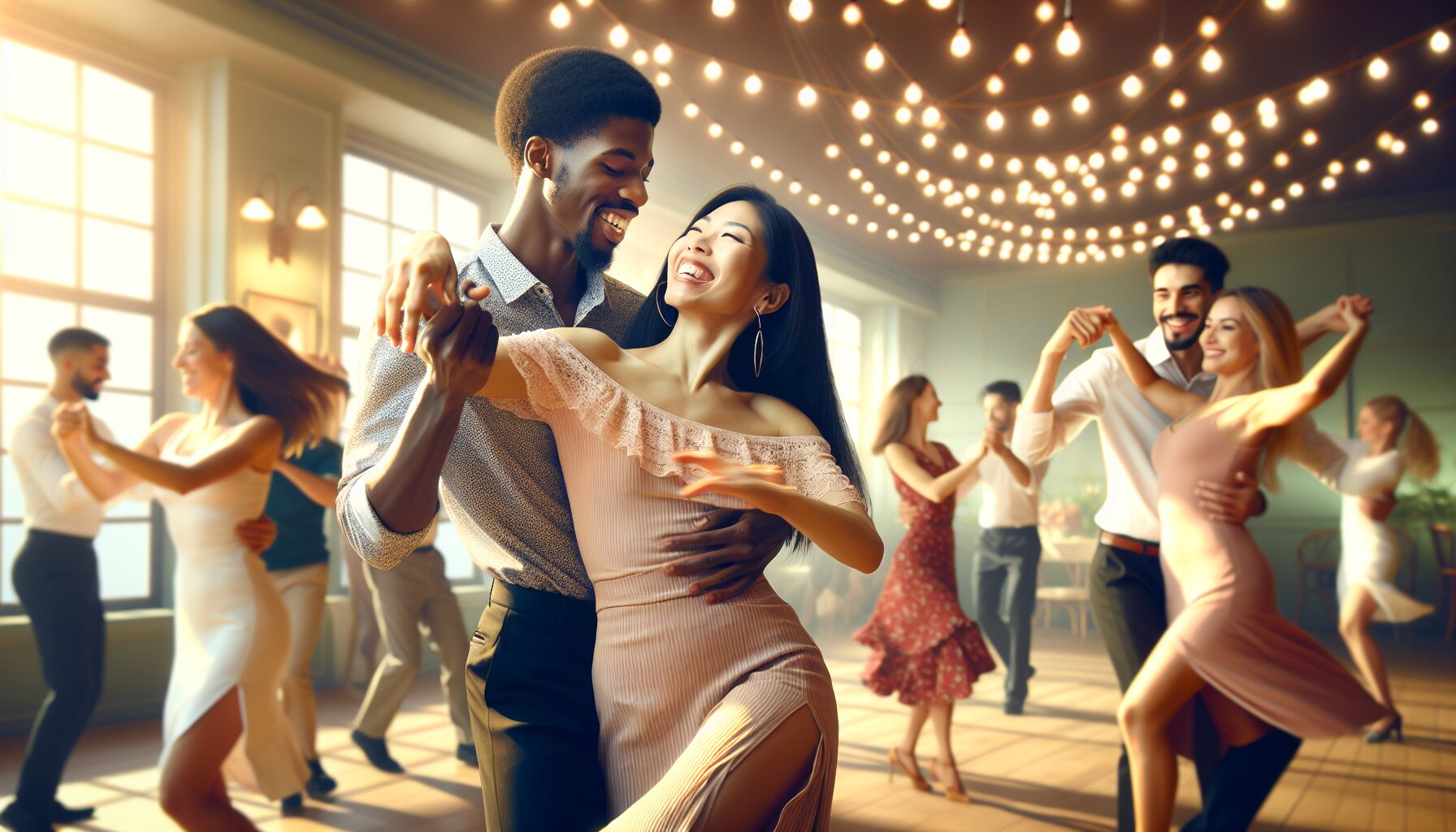
A bachata festival, often called a congress, is a multi-day dance event, usually Friday to Sunday, that combines daytime workshops with visiting instructors, evening shows and social dancing that often runs until the early morning. Most dancers buy either a full pass (workshops plus parties) or a cheaper party pass for the socials only.
That is the short answer. The rest of this guide covers what actually happens over a festival weekend, how the different event formats and passes compare, when dancers are usually ready for their first one, and how to get through three nights of dancing without wrecking your feet, your voice or your sleep. It closes with every in-depth guide in this series and a short FAQ.
What happens at a bachata festival?
Festivals grew out of the salsa congress model. Wikipedia’s salsa dance article describes salsa congresses as annual festivals that draw dancers from other cities and countries, and notes that Albert Torres’s LA Salsa Congress was the first in the United States. Bachata events borrowed the format as bachata, a dance created in the Dominican Republic in the 1960s, spread internationally and new styles such as sensual bachata (developed in Cádiz, Spain, by Korke Escalona and Judith Cordero) took off in Europe.
The weekend usually follows a similar rhythm, even when the details differ:
| Time of day | What usually happens | What to expect |
|---|---|---|
| Late morning to late afternoon | Workshops, typically about an hour each, often in several rooms at once and grouped by level | Lots of partner rotation, crowded rooms, a different teacher every hour |
| Afternoon | Day socials or pool parties at some events, plus Jack & Jill heats or competitions | A more relaxed floor, often with fewer people |
| Evening | Performances by teachers and dance teams, sometimes a live concert | A good time to rest your feet before the party |
| Night to early morning | Social dancing, often in two or more rooms with different music (bachata, salsa, kizomba, sometimes zouk) | The main event for many dancers; at big festivals the floors often stay busy until 3 am or later |
At bachata-only festivals, all rooms play bachata, sometimes split between sensual, Dominican and moderna. At SBK events (salsa, bachata and kizomba), each style gets its own room or time slots. If you only dance one style, check the room plan before you buy.
Festival, congress, marathon, weekender or bootcamp: what’s the difference?
Organizers use these names loosely, so always read the schedule. In practice, the labels usually mean this:
| Format | Typical length | Workshops | Social dancing | Good for |
|---|---|---|---|---|
| Congress / festival | 3–4 days | Many, by level | Every night, often several rooms | Learning plus partying, meeting the wider scene |
| Weekender | 2–3 days | A few, often by one or two teachers | Most nights | Smaller, friendlier first experience |
| Marathon | 2–3 days | None or very few | Almost non-stop | Experienced social dancers who want floor time |
| Bootcamp / intensive | 1–7 days | Many hours a day with the same teachers | Some evenings | Fast, structured progress on technique |
| Day social / one-day event | One afternoon or night | Sometimes one class | A few hours | Testing the waters close to home |
Bootcamps and intensives sit between a festival and a course: the days are long and technical, and the evening socials exist so you can test what you drilled. Many dancers find them more useful for progress than a big congress, where the workshop content changes every hour.
Which festival pass should you buy?
Most events sell some version of the same tickets. As an example, the Bachaturo festival in Katowice, Poland, which covers salsa, bachata, kizomba and other styles, offers tickets with access to the full programme of workshops and parties and a party pass for people who mainly come for the evenings. Prices change with every early-bird phase, so always check the organizer’s own site.
| Pass | What it usually includes | Who it suits |
|---|---|---|
| Full pass | All workshops, shows and parties | Dancers who want to learn and party, and who can handle the pace |
| Party pass | Evening shows and social parties, no workshops | Beginners who want the atmosphere, and experienced dancers who mainly want to social |
| Day or workshop pass | One day of workshops, sometimes that night’s party | Local dancers or anyone short on time |
| Masterclass | A separate small-group class with one artist or couple, sold on top of a pass | Intermediate and advanced dancers with a specific learning goal |
| Hotel or VIP package | A pass plus festival-hotel rooms, sometimes reserved seats or meals | People who want zero logistics |
Two practical points. First, masterclasses are usually not included in a full pass, so budget for them separately; whether they are worth it is covered in our guide to deciding if festival masterclasses are worth the money. Second, some festivals cap early-bird passes per role to keep leaders and followers balanced, so if one role is sold out, the other may still be available.
When are you ready for your first bachata festival?
There is no official threshold, and dancers argue about it constantly. A common rule of thumb in community discussions is about six months to a year of regular classes and local socials. Some dancers go after a month and love it; others wait two years and still feel nervous. Readiness has less to do with time than with a few concrete skills.
You are probably ready when you can:
- dance a full song with a stranger without losing the basic step or the beat;
- lead or follow a handful of simple patterns comfortably;
- hear when you are off time and recover without stopping;
- handle a “no, thanks” or an awkward dance without taking it personally;
- dance for two or three hours without your feet or back giving up.
If you are earlier than that, you can still go: a party pass at a smaller, local weekender is a gentle way to see what festivals are like. Our detailed guide on when to start going to dance festivals walks through the pros and cons of going early versus waiting.
How do you survive your first festival?
The most common first-festival mistake is treating the weekend as a sprint: every workshop, every party, four hours of sleep. Experienced festival-goers tend to pick priorities instead. If workshops matter most, skip the last hours of the party. If the socials matter most, skip the morning classes. Very few people do both well for three days.
First-festival checklist
Before you go
- Book the pass and the hotel early. Festival hotels and early-bird passes sell out first.
- Read the schedule and mark two or three must-do workshops per day at your level.
- Break in your dance shoes at home; never bring a brand-new pair.
- Add some cardio or longer practice nights in the weeks before, so your legs are used to hours of dancing.
What to pack
- Two pairs of dance shoes (feet swell, and suede soles get worn on rough floors)
- Several changes of shirts or tops per night, plus a small towel
- Deodorant, mints or chewing gum, and a toothbrush for between workshops and party
- A refillable water bottle and electrolyte tablets
- Foam or filtered earplugs
- Blister plasters, tape and painkillers you already use
- A hand fan, a power bank and a light layer for cold lobbies
During the weekend
- Eat proper meals, not just bar snacks. Long nights need fuel.
- Drink water between songs, not just when you feel thirsty.
- Take one rest block per day, even if it is a nap between workshops and the evening show.
- Wear earplugs on loud floors. The World Health Organization’s safe listening standard for venues and events recommends limiting average sound levels and making hearing protection and quiet zones available, which says a lot about how loud event floors can get.
- Stop dancing when your technique falls apart. Tired dancing is when ankles roll and partners get hurt.
After you get home
- Plan a lighter day after the festival if you can.
- Write down or record the two or three things from workshops you actually want to keep.
- Expect some “post-festival blues”. The drop from a weekend of music and friends back to normal life is common and passes.
Our first bachata festival survival guide goes deeper on pacing, choosing workshops and getting dances as a newcomer.
How do you get dances at a festival?
Big festival floors can feel intimidating. Hundreds of strangers, artists dancing near the DJ booth and friend groups that seem to dance only with each other. A few habits make a big difference:
- Meet people in workshops. Partner rotation in class is the easiest introduction. Someone you danced with at 2 pm is much easier to ask at midnight.
- Stand near the floor, not at the bar. Visibility signals that you want to dance, and many dancers ask whoever is close to the edge.
- Ask, don’t wait. At most festivals, anyone can ask anyone. Followers asking leaders is common and welcome at most bachata events.
- Keep it to one or two songs. Most dancers move on after one or two songs, even after a great dance. It is not a rejection; it keeps the floor social.
- Don’t take “no” personally. People decline because they are tired, saving themselves for a friend or need water. Artists and teachers in particular get asked constantly.
- Dance at your level. A festival social is not the place to practise moves you learned that afternoon on someone who did not take the class. Clean, musical basics feel better to partners than half-learned tricks.
Some festivals hire “taxi dancers”, experienced dancers who get free entry in return for dancing with attendees who are not getting asked. Our explainer on taxi dancers and festival role imbalance covers what their presence does and does not tell you.
What is a Jack & Jill competition?
A Jack & Jill (J&J) is a partner-dance competition in which leaders and followers are paired at random and dance to music they have not chosen. According to Wikipedia’s Jack and Jill article, the format was created in California in the early 1950s and is meant to test social dancing skills rather than rehearsed choreography. Bachata festivals now run J&Js in several divisions, from beginner or novice up to open and artist levels, usually with preliminary heats and a final.
Judging differs from event to event. As one published example, the Brazilian Zouk Council’s Jack & Jill judging criteria weight technique at 40%, timing and teamwork at 20% each, and presentation and difficulty at 10% each. Bachata judges generally look at similar things: timing, connection, musicality and how well the couple adapts to each other.
J&Js are also a source of debate. Some dancers love them as a way to test themselves; others feel long competition blocks eat into social time at festivals. Our full guide to preparing for your first bachata Jack & Jill covers how the rounds work, what judges look for and how to deal with nerves.
Should you stay in the festival hotel?
Many festivals take place in a conference hotel and sell room packages. Staying there has clear advantages: no late-night taxis, you can nap or change between workshops, and you run into other dancers in the lobby and lifts. The downsides are price, noise and never quite leaving the festival bubble.
| Festival hotel | Somewhere nearby |
|---|---|
| Walk to every room in minutes | Usually cheaper, especially shared apartments |
| Easy naps, outfit changes and showers between blocks | Quieter nights and a real break from the event |
| More chance encounters with other dancers | Easier to explore the city and eat properly |
| Sells out early and often costs more | Needs a safe way home at 4 am |
Splitting a room with another dancer is common and is often arranged in the festival’s social media groups. For a fuller comparison, see our guide on whether to stay in the festival hotel.
How do you choose a bachata festival?
With hundreds of events a year, the best festival is the one that fits your style, level and budget, not the one with the biggest posters. Questions worth asking:
- Which styles does it cover? Sensual-focused, Dominican-focused, mixed bachata, or a full SBK event? Our guide to the mixed vibes of SBK events explains how multi-style congresses feel from the floor.
- How big is it? Huge festivals have more teachers and rooms; smaller weekenders are friendlier and less overwhelming.
- Is there a beginner track? Look for clearly labelled level groups, not just “all levels”.
- What do recent attendees say? Ask friends who went, and look at photos and videos from the last edition: floor size, crowding, air conditioning and whether the social rooms look full.
- What is the real total cost? Pass, masterclasses, travel, hotel, food and taxis.
Event directories such as go&dance’s festival listings make it easy to browse by city and month. Before booking, confirm dates and prices on the organizer’s own website.
A few long-running events show how varied festivals can be. The Croatian Summer Salsa Festival in Rovinj uses the town itself as a venue, with open-air beach dance floors and boat parties, and says it draws over 5,000 dancers from 90 countries. Bachaturo in Katowice fills a congress centre with several dance styles under one roof. Our guide to the Croatian Summer Salsa Festival and a look back at the SF salsa, bachata and kizomba congress show what specific events are like.
Where else can you travel to dance?
Festivals are only one way to dance away from home. Many dancers plan trips around cities with strong weekly scenes, or simply drop into local socials while travelling for work. These guides cover the travel side:
- the best European cities for a salsa trip, with notes on which styles each city is known for;
- the top US cities for salsa dancing and a guide to London’s salsa schools;
- the global bachata scene and how to find socials abroad;
- cities with daytime and early-evening bachata socials for dancers who prefer sleep to 4 am parties;
- how far dancers travel for socials and how to make long commutes sustainable;
- salsa tips for digital nomads and travelling dancers.
If music is what draws you to festivals, our guide to bachata music and the best bachata songs explains what DJs play and why.
Guides in this series
Going to festivals
- Your first bachata festival: a survival guide
- When to start going to salsa and bachata festivals
- Are masterclasses at bachata festivals worth it?
- Festival hotel or somewhere else: where to stay
- Taxi dancers and leader/follower imbalance at festivals
Competitions
Specific events and formats
- What SBK events feel like for salsa dancers
- The Croatian Summer Salsa Festival for beginners
- The SFSBK 2025 congress from the salsa floor
Dance travel and cities
- The best European cities for a salsa trip
- Top 10 US cities for salsa dancing
- Choosing a salsa school in London
- The global bachata scene and finding socials abroad
- Daytime and early-evening bachata socials around the world
- How far will you travel for a social?
- Salsa for digital nomads and travelling dancers
Related guides
- Bachata for beginners: the complete guide
- Social dance etiquette for salsa and bachata
- Choosing salsa and bachata dance shoes
- Dominican, moderna and sensual bachata styles
FAQ
How much does a bachata festival cost?
It varies too much by country, size and booking date to give one number. Budget for the pass (party passes are usually much cheaper than full passes, and early-bird prices rise over time), any masterclasses, travel, accommodation for two or three nights, and food. Always check current prices on the organizer’s site.
Do I need a partner to go to a bachata festival?
No. Most people go alone or with friends, and workshops rotate partners. Some festivals cap early-bird tickets per role to keep leaders and followers balanced, so register early if your role tends to sell out.
Can beginners go to bachata festivals?
Yes. Many festivals run beginner or “fundamentals” tracks, and a party pass lets you enjoy the atmosphere without workshop pressure. Smaller weekenders are usually the easiest start.
What should I wear to a bachata festival?
Comfortable clothes you can sweat in, several spare tops, and broken-in dance shoes with a sole that turns well on the festival floor. Some festivals have theme nights, such as a white party, so check the programme before packing.
Are bachata festivals safe to attend alone?
Most dancers find festivals welcoming, but basic precautions help: stay close to the venue or in the festival hotel, arrange how you get home at night, watch your drink, and report anyone who makes you uncomfortable to the organizers. Many festivals publish a code of conduct and a contact person for safety issues.