Salsa and Bachata Social Dance Etiquette: The Complete Do's and Don'ts
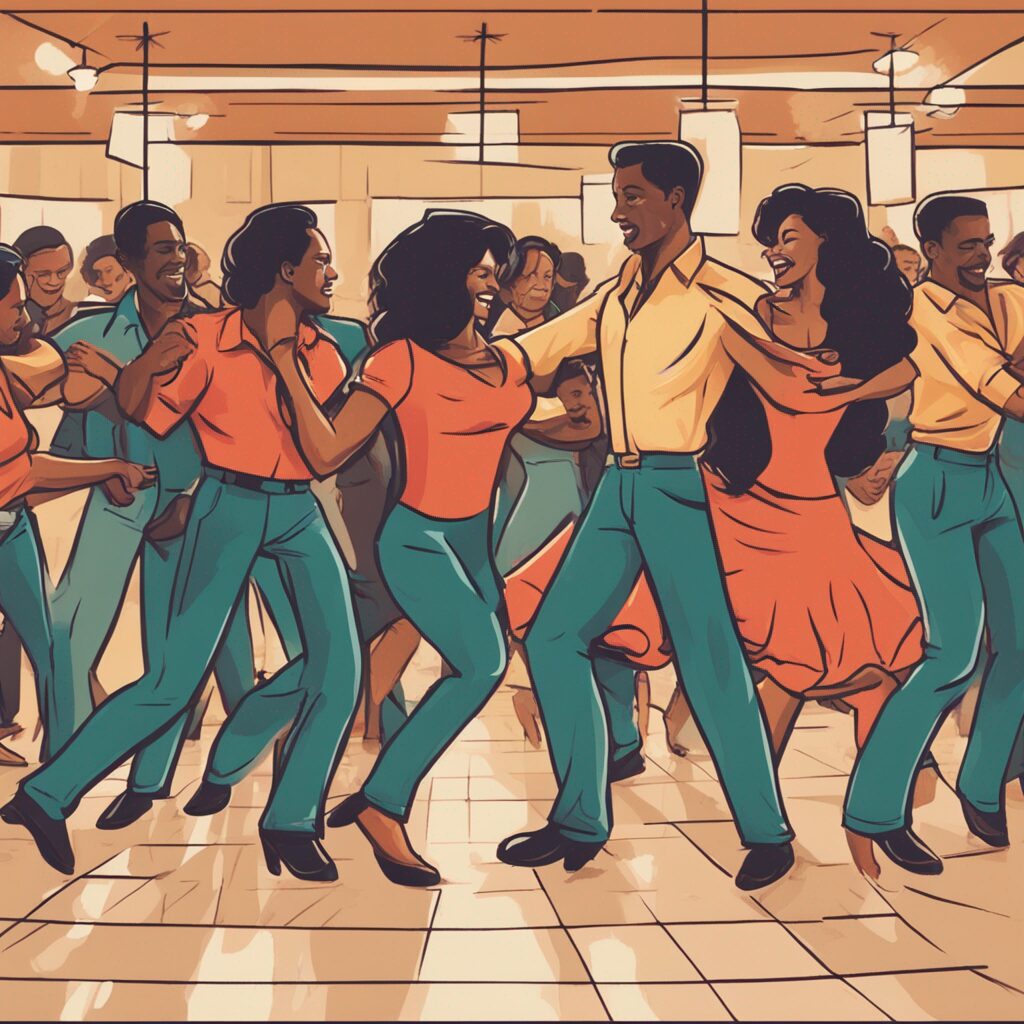
Good salsa and bachata social etiquette comes down to a few habits. Ask clearly and accept a “no” gracefully. Respect your partner’s boundaries. Never teach on the social floor unless someone asks. Protect your partner and the couples around you. Arrive clean, with a spare shirt, and ask before you film anyone.
Everything else on this page builds on those habits. Socials have their own unwritten rules, and newcomers usually learn them by accident. This guide puts them in one place, based on the questions dancers raise most often in community discussions and on the codes of conduct that larger events now publish. Each section links to a more detailed guide.
The social dance etiquette checklist: do’s and don’ts
| Do | Don’t |
|---|---|
| Ask with a clear question (“Would you like to dance?”) and an open hand | Grab someone’s hand and pull them onto the floor |
| Accept a “no” with a smile and move on | Ask why, sulk, or ask the same person again straight away |
| Say “thank you” at the end and walk your partner off the floor | Walk away mid-floor without a word |
| Start in open position and let closeness build only if your partner wants it | Pull a new partner into a close embrace or body rolls straight away |
| Adapt your moves to your partner’s level | Throw advanced patterns at a beginner and blame them when they fail |
| Stop or change any move your partner says hurts | Argue, or keep doing it “because that’s the technique” |
| Keep feedback for when you’re asked | Teach on the social floor, unless something is unsafe |
| Keep your slot or space and scale down on a crowded floor | Do dips, lifts or traveling moves in a packed room |
| Ask before you film, and again before you post | Film strangers or post clips after someone asks you not to |
| Shower, wear deodorant and bring a spare shirt | Drown yourself in cologne or dance in a soaked shirt all night |
| Keep drinks, bags and phones off the dance floor | Stand chatting in the middle of the floor |
| Ask beginners and people sitting alone to dance | Dance only within your own circle all night |
| Report serious problems to the organizer | Name and shame people online |
How do you ask someone to dance, and how do you say no?
At most salsa and bachata socials, anyone can ask anyone, regardless of role or gender. A simple “Would you like to dance?” with eye contact and an open hand works everywhere. Some dancers are put off by the old idea that only leads ask. Many scenes have moved past it, and follows who ask are usually welcomed.
A few points of etiquette make asking easier for everyone:
- Read the moment. Someone catching their breath, drinking water, or deep in a conversation probably wants a minute. Someone standing at the edge of the floor watching the dancers is often waiting to be asked.
- Say no without an excuse. “No thank you” is enough. Some scenes keep the custom of sitting out the whole song after declining someone, so you don’t immediately dance with someone else. That is a courtesy, not a rule.
- Take a no gracefully. People decline for all sorts of reasons: tired feet, a song they don’t like, a friend they promised the next dance to. A “no” to one song isn’t a verdict on you.
- Mix it up. At festivals especially, dancers rarely dance more than one or two songs in a row with the same partner. That’s normal, not a sign the dance went badly.
For scripts, confidence tips and the reasons people hesitate, see our guide on how to ask someone to dance and how to say no. If rejection is what bothers you most, our guide to handling dance rejection and mixed signals covers walk-aways, blank stares and what a “no” really means.
What are the rules on consent, boundaries and unwanted attention?
Partner dancing involves touch, so consent is part of the dance itself. Bachata “can be performed in open, semi-closed or closed position”, and the original social style was often danced in “a close embrace” (Wikipedia). That range is exactly why dancers need to read and respect each other’s comfort level.
The norms experienced dancers describe are consistent:
- Start open and let your partner set the distance. If a follow keeps a firm frame or steps back, that’s the answer. Leads can feel this through the connection, and good leads respond without comment.
- Touch to lead, not “for the feel”. Hands belong where the technique needs them. Hands wandering to the waist, hips or thighs without a reason in the move are a boundary problem, not a style.
- Anyone can stop a dance. If someone ignores a boundary, saying “I’m going to stop here, thanks” and walking off is acceptable at any point in the song.
- Discomfort runs both ways. Leads are sometimes on the receiving end of unwanted closeness too, and the same rules apply.
- Off the floor counts too. Repeated messages, waiting outside the venue, or turning every dance into flirting are unwanted attention even if the dancing itself was fine.
More events now write these norms down. The New York International Salsa Congress code of conduct says “consent must be clearly given and can be revoked at any time”. It lets attendees report problems to staff or a Safety Team member, through an online form or by email, with consequences up to a permanent ban. Dance educators have studied this too. Juliet McMains’ article “Fostering a Community of Consent in Social Dance Communities” (Journal of Dance Education, 2021) looks at how teachers and community groups can help students “honor personal boundaries while engaging in touch-based social dancing”.
Our detailed guides cover bachata boundaries, closeness and consent and dealing with unwanted attention at salsa socials, including how to report.
Should you ever give feedback or teach on the social floor?
Almost never. Unsolicited teaching is one of the most common complaints in dancers’ discussions about etiquette. It usually comes from a well-meaning dancer who has a little more experience, but it lands as condescension. It is also sometimes used as an excuse to get close to newer follows.
The general rules:
- Socials are for dancing. If a move doesn’t work, the lead adjusts and tries something simpler. Nobody stops to explain.
- Safety is the exception. “Ouch, not so hard on my shoulder” or “careful, there’s a couple behind you” is always welcome.
- Feedback is for when you’re asked. If someone asks “how was that?” or “what could I do better?”, be specific and kind. Describe what you felt rather than what they did wrong.
- You can shut down unwanted tips. “Thanks, but I’d rather just dance” is a complete answer.
- Compliments are welcome. Make them about the dance (“your musicality on that break was great”), not about the person’s body.
Read more in our guides to asking for, giving and taking dance feedback, why unsolicited teaching backfires and what to say instead, and how to compliment a dancer without making it awkward.
How do you practice good floorcraft and keep your partner safe?
Floorcraft is the skill of sharing a crowded floor without collisions. The two dances use space differently. In linear salsa styles such as LA and New York, couples “remain in their ‘slot’”, while Cuban and Colombian salsa follow a circular pattern (Wikipedia). Bachata usually stays in a small space around the couple. In every style, the aim is to keep your dance inside your own space.
- Leads are responsible for where the follow goes. Look before sending your partner into a turn or a backward step, and never send them into a space you can’t see.
- Follows can help. A follow often sees what’s behind the lead. A light squeeze, a hand on the shoulder or a quick “stop” is useful. Some follows also brace an arm to stop someone backing into them.
- Scale down when it’s crowded. Save big traveling moves, dips, drops and lifts for open floors and performances. A packed social floor is not the place for aerials.
- Close your eyes only when it’s safe. Many follows enjoy dancing bachata with their eyes closed. It works with a trusted, experienced lead on a floor with space. With a new partner or in a crowd, keep your eyes open.
- Walk your partner on and off the floor. It’s an old-school habit worth reviving, and it gets you both through the crowd safely.
- Keep the floor clear. Drinks, bags and conversations belong at the edge, not in the middle where couples are spinning.
- If you bump someone, apologise. A quick “sorry!” or a hand on the shoulder is enough. If a nearby couple keeps colliding with you, move to a different spot.
- Dance sober enough to be safe. A drink is fine. Heavy drinking ruins your timing and your partner’s night. Dancers also mention that cannabis or other substances make spinning partners and crowded floors riskier.
- Watch your hair and accessories. Long loose hair can whip partners in turns, and big rings, watches or belts can scratch or snag.
The right shoes help too. A slippery floor in sticky street shoes is a common cause of knee strain. Our guide to salsa and bachata dance shoes covers sole types.
What is the etiquette for filming and phones?
Most socials have phones and cameras everywhere, and dancers’ views range from “film everything” to “ban phones from the floor”. A few principles cover most situations:
- Ask before filming, and ask again before posting. A dancer who agrees to a clip for their own practice hasn’t agreed to a public post.
- Delete on request. If someone asks you to take a video down, do it without argument.
- Follow the event’s policy. Many festivals restrict filming during workshops and some socials. The New York International Salsa Congress lists “recording or photographing others without consent” among prohibited behaviour (code of conduct).
- Smart glasses count as cameras. Meta’s own guidance for its smart glasses says the capture LED blinks while recording, and advises wearers to “stop recording if anyone expresses that they would rather you not” (Meta).
- Don’t film from the floor. Stand at the edge, don’t use flash, and never stop in the middle of the floor to record.
- Teachers’ demos are their work. Ask before recording a class or workshop recap, and respect “no filming” requests.
Our guide to filming and phone etiquette at socials also covers the “be present or record it?” debate.
How should you handle hygiene: sweat, scent and breath?
In a close-contact dance, hygiene is etiquette. Dancers agree on the basics:
- Shower and use deodorant before every social. Keep perfume or cologne light, or skip it. In a close embrace, a heavy fragrance is overwhelming.
- Bring spare shirts and a small towel. Change when you’re damp, and dab your face and hands between songs. The NHS suggests “loose-fitting clothes” and avoiding “tight clothes or synthetic fabrics” if you sweat heavily (NHS).
- Keep your breath fresh. Use mints, skip strong food right before dancing, and don’t chew gum while you dance.
- Keep your nails short and your hands dry. Long or jagged nails scratch, and a light, dry hand connection is better technique anyway.
The details are in our guide to perfume, sweat and hygiene at bachata socials. For clothing that breathes, sleeves and the tank-top debate, see what to wear to a bachata or salsa social.
What is the etiquette in group classes?
Classes have their own rules on top of social etiquette:
- Rotate partners when the teacher asks. Rotation helps everyone learn to lead and follow different people. Couples who want to stay together should tell the instructor and stand outside the rotation line.
- Dance the pattern as taught. Add your own styling only once your partner is comfortable with the basic pattern.
- Leave corrections to the teacher. Classmates teaching each other during rotation is one of the most common class complaints.
- Say if something hurts, and skip a partner’s rotation if they’ve made you uncomfortable.
- Respect the room. Arrive on time, keep phones away during instruction, and come with fresh breath and clean clothes.
Our guide to bachata class etiquette for couples and partner rotation covers backleading, bad vibes in class and practicing with classmates outside class.
What makes a dance community healthy, and what are the red flags?
Etiquette is personal, but culture is shared. Scenes feel very different depending on whether experienced dancers welcome newcomers, whether organizers act on complaints, and whether rough leading is excused as “the culture”. Our guides to toxicity in salsa dance culture and red flags in bachata social dance culture explain what to watch for and how to raise concerns without slander or doxxing. If you’d like to help your scene grow, see practical ideas for growing a local salsa scene. And if you’ve ever wondered why every follow dances differently, read ten bachata follower styles and how to dance with each.
Guides in this series
Asking, rejection and reading signals
Consent, boundaries and safety
- Bachata boundaries and consent: closeness, touch and unwanted attention
- Unwanted attention at salsa socials and what to do
Feedback, teaching and compliments
- How to ask for, give and take dance feedback
- Unsolicited teaching on the social floor
- How to compliment a salsa dancer
Classes, filming and hygiene
- Bachata class etiquette for couples and partner rotation
- Filming and phone etiquette at socials
- Perfume, sweat and hygiene at bachata socials
Community and culture
- Toxicity in salsa dance culture and how dancers can change it
- Red flags in bachata social dance culture
- How to grow a local salsa scene
- Ten bachata follower styles dancers describe
Related guides
- Bachata for beginners: the complete guide
- Leading and following in bachata
- Bachata festivals and congresses
- Choosing salsa and bachata dance shoes
FAQ
Is it rude to say no to a dance?
No. Declining is a normal part of social dancing, and “no, thank you” needs no explanation. Some scenes expect you to sit out that song rather than accept someone else straight away. That’s a courtesy, not an obligation, and your safety and comfort always come first.
Can follows ask leads to dance?
Yes. At most modern salsa and bachata socials, anyone can ask anyone. Many leads say they love being asked.
How many songs should you dance with the same partner?
One or two songs is the usual default at socials and festivals. Dancing more than that is fine with friends or partners, but nobody should read anything into a “thank you” after one song.
What should I do if someone makes me uncomfortable on the dance floor?
You can stop the dance at any time. Tell a friend, and report it to the organizer or the event’s safety contact. Organizers can act on reports. A public post usually can’t fix anything and can create new problems.
Is it OK to film other dancers at a social?
Only with their permission, and only if the event allows it. Ask again before posting, and take the video down if anyone asks you to.