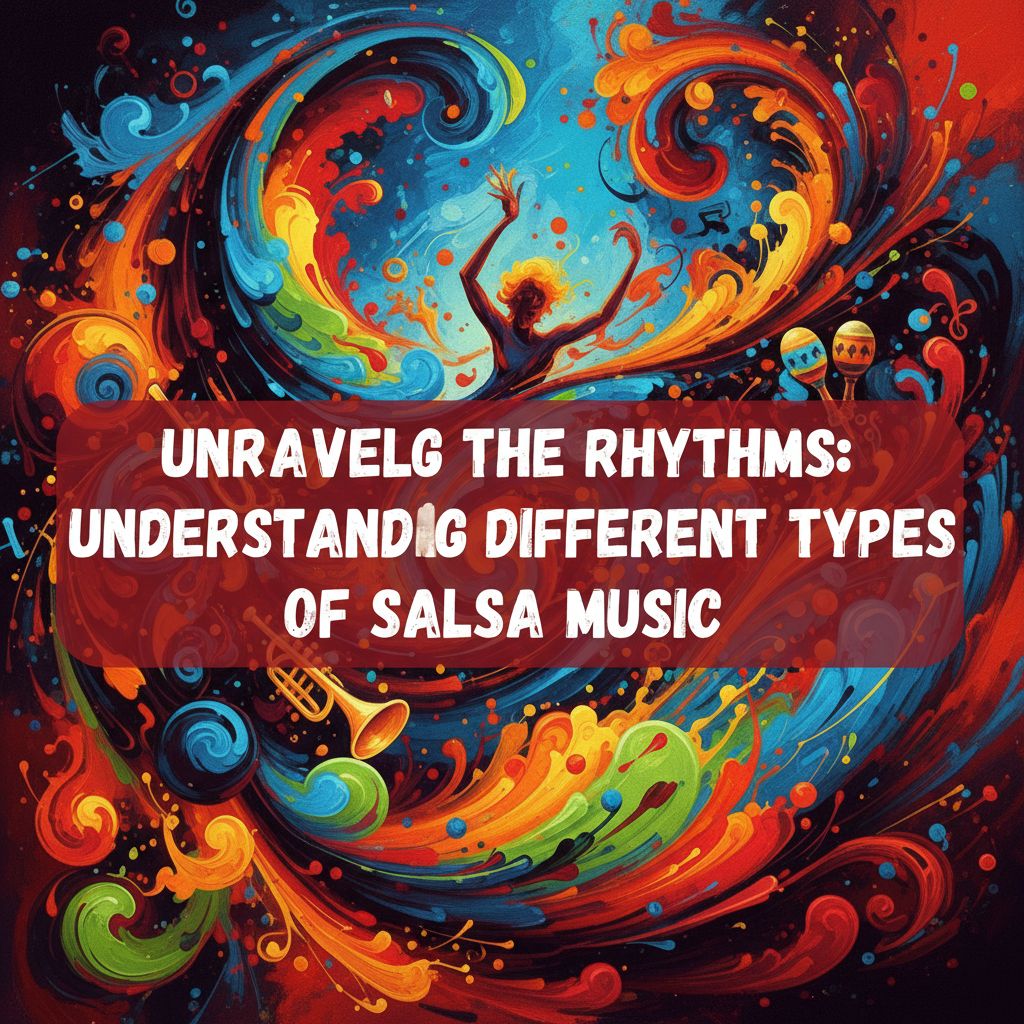
Unraveling the Rhythms: Understanding Different Types of Salsa Music
The Rich Tapestry of Salsa Music
When embarking on the journey to explore salsa music, it’s essential to understand that salsa is not just one genre but a vibrant amalgamation of various musical styles. Each type of salsa music, from Charanga to Guaguanco, Romantica to Dura, has its distinct flavor, rhythm, and cultural significance. The diversity and versatility of salsa music are what make it so universally loved and adaptable.
Recognizing the Charanga
Charanga, a type of salsa music that blossomed in the 20th century, has a lively, vibrant feel that can be attributed to its distinctive orchestration. The “charanga” ensemble typically consists of a flute backed by violins, piano, bass, and timbales. This combination creates a sound that is light yet rhythmic, making Charanga a perfect accompaniment for the intricate footwork and dazzling spins of salsa dancing.
Unveiling the Guaguanco
Another fascinating style within the salsa music spectrum is the Guaguanco. Originating from the Cuban Rumba genre, Guaguanco is an exciting, fast-paced style characterized by strong, intricate drum patterns. The distinguishing feature of Guaguanco is the ‘clave’ rhythmic pattern, a series of five beats that provide the backbone for the melody and often incite an irresistible urge to move to the rhythm.
Immersing in Salsa Romantica and Salsa Dura
The Salsa Romantica and Salsa Dura styles stand almost as counterpoints to one another. Salsa Romantica, as its name suggests, is the softer, more romantic side of salsa music. Its lyrics often revolve around love and relationships, and the music itself tends to be slower and smoother, perfect for close-embrace dancing.
Salsa Dura, on the other hand, represents the ‘hard’ or ‘heavy’ salsa style. It’s a throwback to the original salsa sound of the 1960s and 70s, characterized by a powerful horn section, complex arrangements, and socially conscious lyrics. This style is often associated with street dancing, with its pulsating rhythms inspiring dynamic, high-energy movement.
Mambo and Danzon: The Classic Styles
No exploration of salsa music would be complete without mentioning the Mambo and Danzon styles. Mambo, known for its big band arrangements and syncopated rhythms, came into prominence in the 1940s and 50s and has significantly influenced modern salsa music.
Danzon, the official musical genre and dance of Cuba, is a slower, more formal style. The music is typically orchestrated with a variety of instruments, including strings, flutes, and piano, creating a rich, melodic sound that influences the dancer’s fluid and elegant movements.
Conclusion
Understanding the different types of salsa music enhances not only your appreciation of the music itself but also your salsa dancing abilities. Each style has its unique rhythm and energy that can influence your dance mood, movements, and interpretation. So next time you hear a salsa track, try to identify the style it represents. You’ll find that this enriching musical journey only adds to your salsa experience.