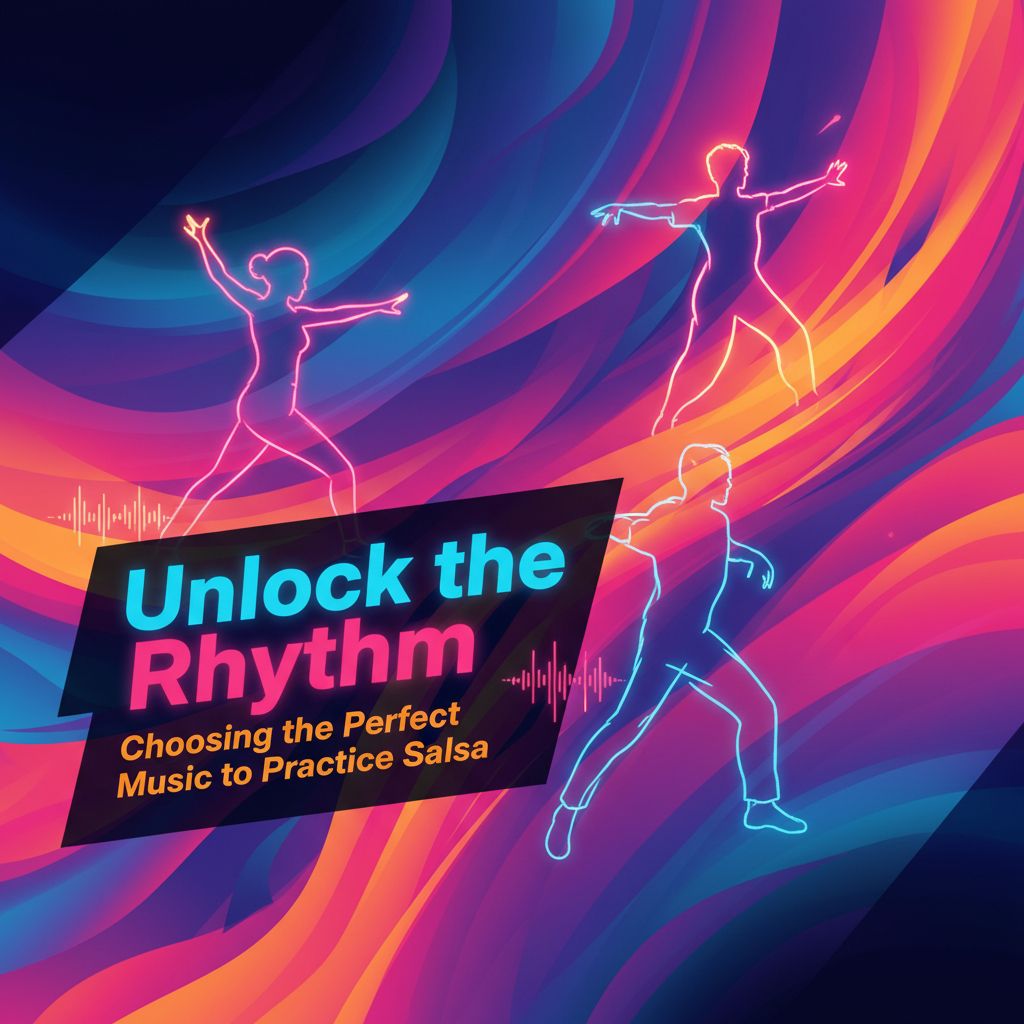
Unlock the Rhythm: Choosing the Perfect Music to Practice Salsa
Embarking on the Salsa Journey
When diving into the vibrant world of salsa, music forms the backbone of your journey. As a beginner, it’s not only about understanding the dance steps, but immersing yourself into the rhythm and soul of salsa music.
Defining the Salsa Beat
Salsa music is a pulsating blend of Afro-Cuban rhythms, primarily characterized by a repeating pattern known as a ‘clave’. Understanding this rhythm is vital for salsa dancers. The clave rhythm has a 5-note pattern that repeats every 8 beats, creating the distinctive tempo of salsa.
Choosing Music for Practice
Selection of music for salsa practice can hugely impact your learning curve. Here are some factors to consider:
Tempo
As a beginner, it’s wise to start with slower songs that allow you to grasp the rhythm without feeling overwhelmed. Songs that play at 70-90 beats per minute (bpm) are ideal for starters. As you grow more comfortable with the steps and count, you can then transition to faster songs.
Simplicity
In the early stages of learning, songs with simpler instrumentation can be more beneficial. Some tracks contain complex arrangements which may make it difficult to identify the beat. Start with music that has a clear and simple rhythm section, gradually exploring more intricate compositions as your ear for the music develops.
Consistency
Songs with consistent rhythms throughout are best when starting out. They help you ingrain the rhythm into your muscle memory. Later, you can incorporate music that changes tempo or includes rhythmic pauses for more advanced practice.
Embracing the Salsa Culture
Salsa is more than just a dance or music genre; it is a vibrant and dynamic culture. Engaging with this culture will deepen your understanding and enjoyment of salsa dancing.
Listening to Salsa Daily
Make salsa music a part of your daily life. Listen to it during your commute, during a workout, or during downtime. This helps train your ear and familiarize yourself with the music’s distinctive rhythm and tempo.
Understanding the Lyrics
While it’s not necessary to speak Spanish to dance salsa, understanding the lyrics can enhance your connection to the music. It gives you a deeper understanding of the song’s emotion and narrative, which can influence your dance interpretation.
Attending Salsa Socials and Festivals
Salsa socials and festivals provide a platform to observe different styles of salsa dancing, meet other salsa enthusiasts, and gain exposure to a variety of salsa music.
To conclude, the journey of learning salsa is as much about the music as it is about the dance. Start slow, tune your ears to the tempo, and let the rhythm guide your steps.