Bachata for Plus-Size Dancers: Practical Tips for Classes, Clothes and Partner Work
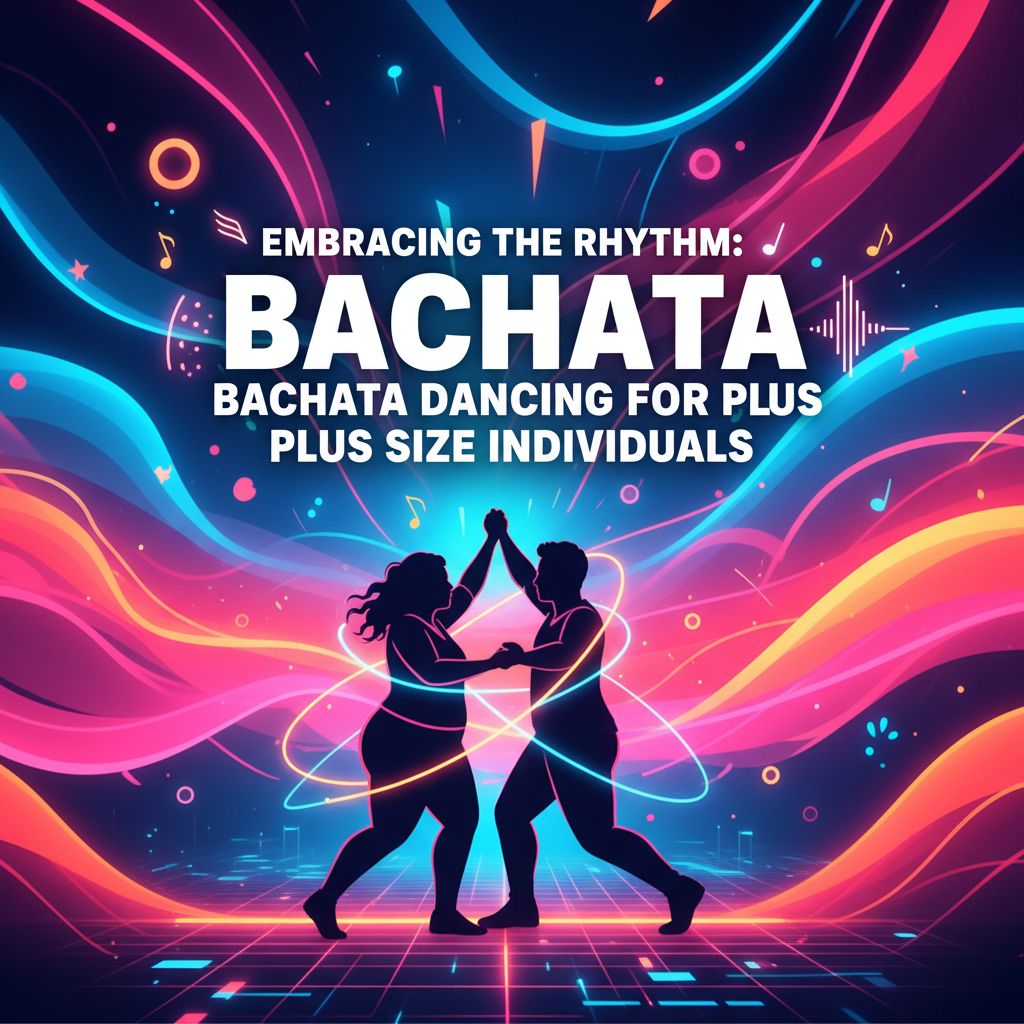
Bachata works for every body type, and plus-size dancers lead, follow, teach and perform in scenes everywhere. What makes a good bachata dancer is timing, musicality, connection and care for your partner, not size. A few practical adjustments, mostly about clothing, shoes, the embrace and arm space in turns, make the first months more comfortable.
Is bachata a good dance for plus-size beginners?
Yes. The bachata basic is three steps and a tap or hip accent on 4 and 8, which is simple to learn and easy to dance at a relaxed pace. Many songs are slower than salsa, there is less fast footwork, and the difficult elements (body waves, dips, fast spin combinations) are optional on a social floor. You can dance a few songs, sit down, and dance again later.
Walking into the first class is usually the hardest part. Some ways to make it easier:
- Pick a beginner course, not a drop-in at a high level. Everyone in a beginner series starts together.
- Bring a friend for the first few weeks.
- Look at the school’s own photos and videos. Schools that show a range of ages and bodies in their classes and socials usually have a welcoming culture.
- Ask questions. A good teacher will happily explain how to adapt a move.
What should you wear?
Bachata is close contact and real exercise, so comfort and freshness matter for everyone:
- Breathable fabrics. Moisture-wicking tops or natural fabrics help, and a spare top in your bag is common practice among regular social dancers.
- Clothes you can move in. Fitted or flowing is a personal choice; what matters is that you can raise your arms and turn without adjusting your outfit after every spin.
- Fresh and considerate. Shower before the social, use deodorant, keep breath fresh, and avoid heavy perfume. This is standard social-dance etiquette for every dancer.
Which shoes are best?
Your feet do a lot of work, so shoes matter:
- Supportive dance shoes or dance sneakers with a suede or smooth sole let your foot pivot in turns instead of sticking to the floor.
- A modest heel or a flat is often more stable than a high stiletto, especially while you are learning.
- Cushioning helps on long nights and hard floors.
If your knees or feet ache, build up dance time gradually and talk to a doctor or physiotherapist if the pain persists.
How do you adjust the embrace and body contact?
Bachata’s embrace ranges from open to close. In a close embrace, bodies can meet at different points depending on height and shape, and this is a normal thing for dancers of all sizes to adjust:
- Connect through the frame first. The lead’s right hand sits on the follow’s back around the shoulder blade, and the follow’s left arm rests on the lead’s shoulder or upper arm. Most of the lead and follow information travels through these points, not through the torso.
- Open the embrace slightly when you need to. A little more space between the torsos changes nothing about the lead and makes many movements easier.
- Adapt body movements. Body waves and chest isolations can be danced smaller, or turned into hip and shoulder movement. A good partner will follow your lead on how close to dance.
- Talk if something is awkward. A quick “can we open it up a bit?” is normal between dancers.
How do you make turns and dips comfortable?
- Turns: give the arm a wider path. Leads can raise the hand a little higher and wider over the follow’s head and keep the grip loose, using the “fingers on fingers” hold so the follow’s hand can rotate freely.
- Prepare early. Leads should prepare turns a count or more ahead, so the follow has time to collect their weight and spin on their own axis.
- Dips are optional. Leads should bend their own knees, keep their back upright and support high on the follow’s back. Follows keep their core engaged and a leg underneath them. Any dancer can skip dips, and many social dancers rarely do them.
- Size differences between partners are normal. When a follow is larger or taller than the lead, the principles stay the same: each dancer keeps their own balance, and the lead moves the follow by moving themselves, not by pushing or pulling.
Representation and inclusive culture
In many scenes there are now well-known plus-size and curvy dancers and instructors teaching, performing and competing. Seeing someone who looks like you dancing well is often what convinces a newcomer that they belong, and many dancers say that curvy teachers helped them stop worrying about how they look and focus on how they dance.
Everyone can help make a scene inclusive:
- Ask everyone to dance, not only the dancers who look like the ones in instructor videos.
- Never comment on another dancer’s body, weight or clothing.
- Teachers can offer options (“smaller body wave”, “open embrace”) as part of normal instruction, rather than singling anyone out.
- Organisers can show the full range of their community in promotion photos and videos.
FAQ
Can plus-size dancers do sensual bachata?
Yes. Body movements, waves and close embrace work for every body type, and you can adapt their size and closeness to what feels comfortable.
Will dancing bachata help me get fitter?
The NHS lists dancing as a moderate-intensity activity, and many people find it a far more enjoyable way to stay active than the gym. Treat fitness as a bonus; the main reason to dance is to enjoy it.
What if I feel self-conscious at socials?
That feeling is common among new dancers of every size, and it usually fades as your basic gets more secure. Dance with classmates first, and remember that most people on the floor are concentrating on their own dance.