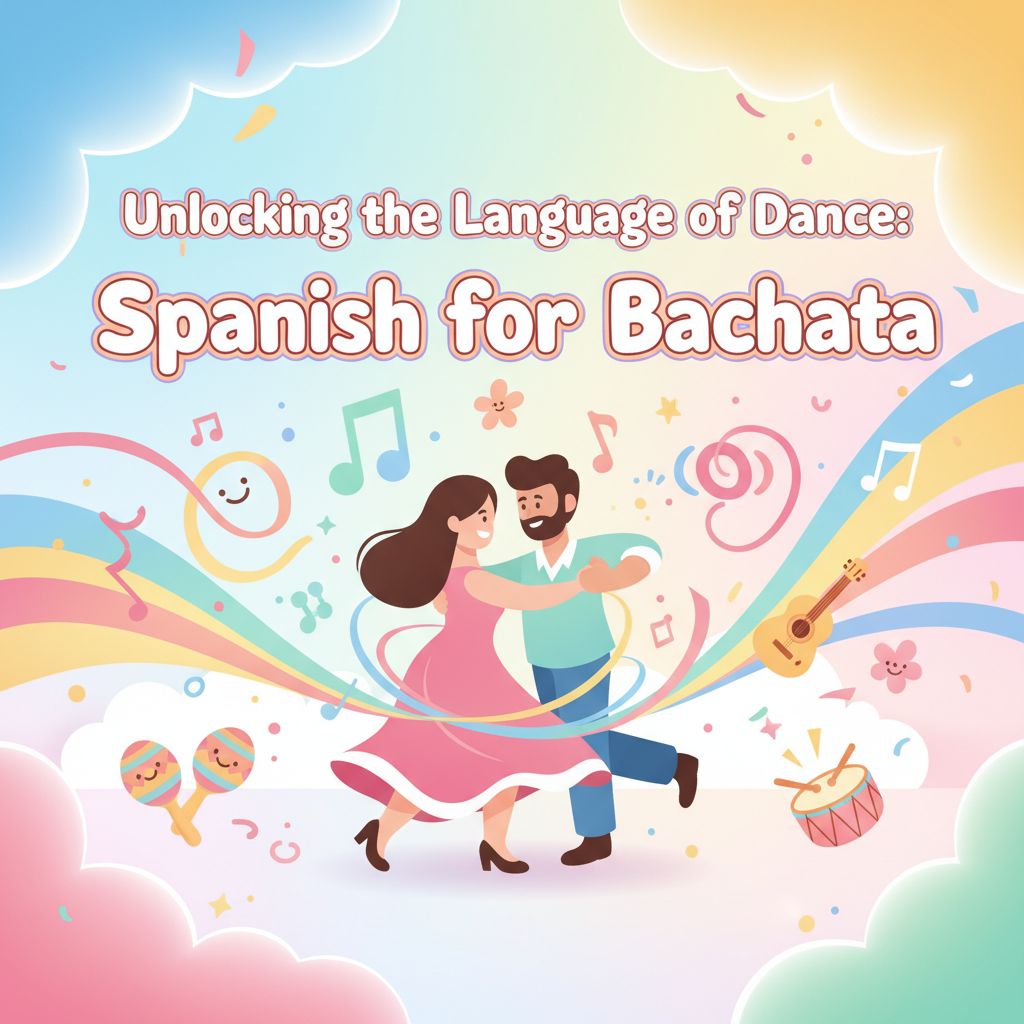
Unlocking the Language of Dance: Spanish for Bachata
Unearthing the Soul of Bachata
Bachata, more than just a dance, is an expressive language that tells a story through movement, rhythm, and most crucially, lyrics. Understanding the Spanish lyrics in Bachata songs not only enhances your dance experience but also deepens your connection to the music and your dance partner. So, let’s delve into the nuances of learning Spanish for Bachata, focusing on the importance of lyrics and practical steps to improve your linguistic competence in the Bachata realm.
Why Learn Spanish for Bachata?
Bachata originated in the Dominican Republic, and most Bachata songs are in Spanish. Therefore, learning the language, specifically the phrases and expressions common in Bachata music, can enrich your dance experience. Lyrics carry the stories and emotions that form the backbone of this dance form. Understanding them allows you to interpret the dance better and express the inherent emotions more authentically.
Connecting with the Music
Mastering Spanish for Bachata isn’t simply about translation; it’s about comprehending the cultural context, the emotional nuances, and the unique storytelling elements that typify Bachata music. It’s about immersing yourself in the music and connecting with the narrative on a deeper level.
Expressing the Story through Dance
Understanding the lyrics gives you the ability to express the song’s story through your movements accurately. Whether it’s a passionate tale of love or a heartbreaking story of loss, the dialogue between the song’s lyrics and your dance steps becomes more meaningful when you can comprehend the language.
How to Learn Spanish for Bachata
You might be wondering, “Do I need to become fluent in Spanish to enjoy Bachata?” The answer is no. While fluency can enrich your experience, basic understanding and familiarity with common phrases used in Bachata music are generally enough. Here are a few tips to guide your journey:
Focus on Comprehensible Input
Comprehensible input is a language learning technique that emphasizes understanding over language production. For Bachata, this means listening to the music, reading the translated lyrics, and gaining a feel for the language’s rhythm and flow.
Analyze Bachata Songs
Choose a few of your favorite Bachata songs and break down the lyrics. Look up the meanings of words you don’t understand and identify common phrases. Over time, you’ll start recognizing these phrases in other songs and understand their context better.
Practice with Spanish Learning Tools
Use language learning tools to hone your Spanish skills. Apps and online resources offer interactive lessons and exercises that can help you learn at your own pace.
Engage in Conversations
If you’re up for a challenge, communicate with native Spanish speakers or join a Spanish language group. This interaction can help you understand how the lyrics translate into everyday conversations.
Conclusion: The Dance of Language
In conclusion, learning Spanish for Bachata is about more than understanding the words of a song. It’s about unlocking a new level of connection to the music, the culture, and the dance itself. While it’s not a prerequisite for enjoying Bachata, it’s undeniably an asset that can enrich your overall dance experience.
Remember, the journey of learning a new language is challenging but immensely rewarding. Be patient with yourself and enjoy the process. The world of Bachata awaits!