Unleashing the Power of Visualization in Salsa: A Deep Dive into Digital Tools for Music and Dance
Revolutionizing Salsa Practice with Visualization Tools
As a passionate Salsa instructor and innovator, I’ve always been on the lookout for ways to enhance the learning experience for my students. One of the biggest challenges that beginner Salsa dancers face is understanding the interplay between the rhythms of various instruments and their footwork.
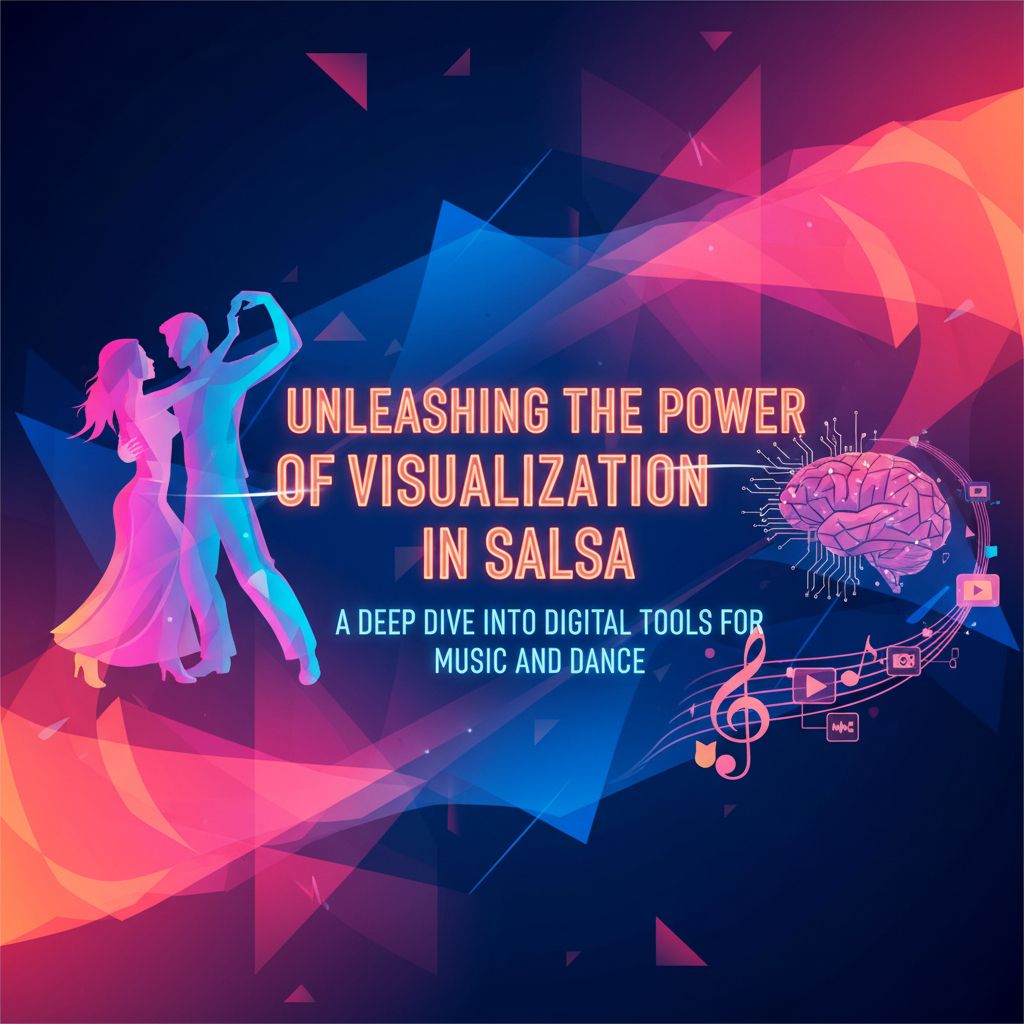
To overcome this, I developed a unique tool that creates a visual representation for both music and dance steps in Salsa. This tool, called Tumbao, was designed to address the very heart of the issue – the complicated relationship between the beats of the music, the movements of the dancers, and the rhythm of the steps.
Why Visualization?
For many students, hearing the counts and instruments is one thing, but understanding when and how to move to them is another. Visualization adds another layer of learning which can support auditory learning or act as a lifeline for visual learners.
How Tumbao Works
At its core, Tumbao uses a simple yet highly effective visual interface to represent different instruments and corresponding dance steps. When a particular beat or instrument is played, the related step is highlighted. This synchronization helps dancers get a visual grasp of the rhythm, making it easier for them to anticipate their steps and maintain the correct timing.
Customizing Your Experience
One of the powerful features of Tumbao is the ability for users to customize their learning experience. For instance, dancers can select the style they want to focus on, such as on1 or on2. They can also choose whether they want to lead or follow, and the app will adjust the visual representation accordingly.
Enhancing Understanding through Interaction
The beauty of using a digital platform for visualization is the possibility of interaction. Students can control the speed of the dance steps and music, allowing them to practice at a pace that suits their learning speed. Furthermore, they can isolate different instruments, helping them understand their role in the overall rhythm of the dance.
Improving over Time
What’s more, digital tools like Tumbao are not static. They can be updated and improved over time based on user feedback and needs. For example, the application has been refined to account for regional variations in step patterns and to incorporate additional instruments like piano and bass.
Looking to the Future
I believe tools like Tumbao have the potential to revolutionize how we learn and teach Salsa. They provide a fresh, engaging, and highly effective way of breaking down the complex rhythm and footwork patterns that Salsa is famous for. As we continue to refine and expand these tools, I’m excited to see how they will be embraced by the wider Salsa community.
In the end, while technology can provide powerful tools for learning, it’s the passion for Salsa that makes us move. So, let’s keep dancing, keep learning, and keep pushing the boundaries of what’s possible.