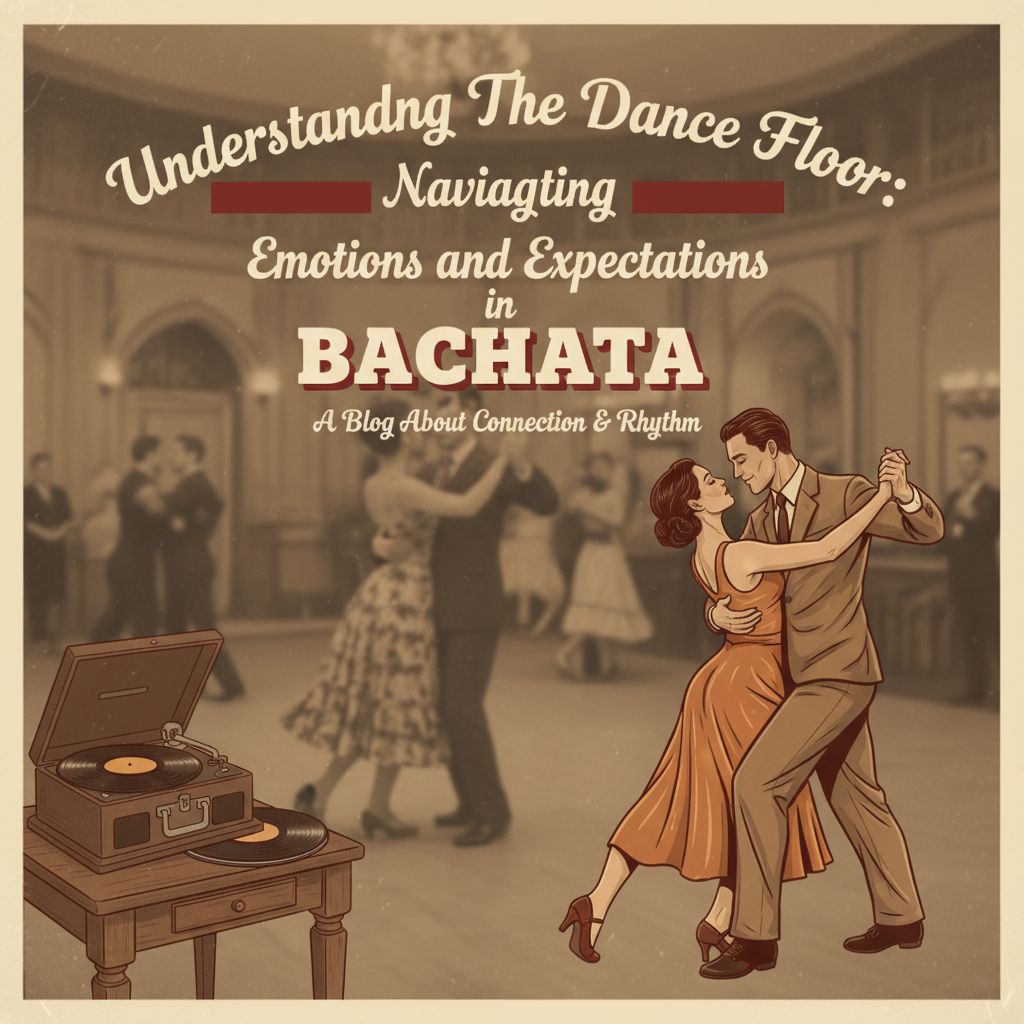
Understanding The Dance Floor: Navigating Emotions and Expectations in Bachata
Navigating the Complexities of the Dance Social
Dance socials, like the ones that happen in the beautiful world of Bachata, are more than just about the dance steps. They are a melting pot of emotions, expectations, connections, and sometimes, disappointments. When a lady refuses to dance with one person but accepts a dance with another, it can stir a whirlwind of emotions, particularly if the rejected party had perceived a certain level of interest or connection.
Interpreting Signals and Setting Expectations
The dance floor can be a complex place. Physical closeness, intense eye-contact and the rhythmic sway of bodies in sync can sometimes give the illusion of a deeper connection than what actually exists. It is crucial to remember that the signals exchanged on the dance floor do not always translate to personal interest or attraction outside of it. Avoid setting unrealistic expectations based on these ephemeral moments to prevent unneccessary disappointment.
Unpacking the ‘Latino’ Stereotype
It’s common to see the stereotype of the enticing and charismatic Latino dancer in play at Bachata socials. The charm and confidence often associated with Latino dancers can be captivating, leading to a perception that they are preferred partners on the dance floor. While it’s natural to feel frustrated or even discriminated against in the face of this, it’s important to remember that everyone has individual preferences when it comes to choosing dance partners, and these choices can be influenced by a myriad of factors that extend beyond ethnicity or nationality.
Embracing Individuality on the Dance Floor
Being a ‘good’ dancer isn’t only about mastering the steps or looking a certain way. It’s about embracing your unique style, connecting with your partner, and most importantly, enjoying the dance. An exceptional dancer can be a wallflower off the dance floor and vice versa. The key is to focus on your own journey, improving your skills, and building genuine connections without the pressure of conforming to a specific image or stereotype.
Dealing with Rejection
Rejection, whether on the dance floor or in other aspects of life, can be disheartening. However, it’s a common part of the social dance experience. A rejection could simply be due to fatigue, a preference for a different dance style, or even a deeper friendship with another dancer. It’s crucial not to take these rejections personally, but to view them as part of the learning and growth process in dance.
Turning Rejection into a Learning Experience
Use these experiences to build resilience and emotional intelligence. Instead of focusing on the rejection, try to understand the reasons behind it and use this knowledge to improve your dance skills and social interactions. Remember that everyone on the dance floor, including the charismatic Latino dancers, have faced their own share of rejections and used them as stepping stones to become better dancers and more empathetic individuals.
In conclusion, the world of Bachata, like any social dance scene, is filled with complexities beyond the dance itself. It’s about navigating emotions, understanding signals, dealing with expectations and rejection, and ultimately, learning and growing as a dancer and as an individual.