What Makes an Advanced Dancer? 7 Traits Beyond Fancy Moves
Part of: Bachata for Beginners: The Complete Guide to Learning Bachata
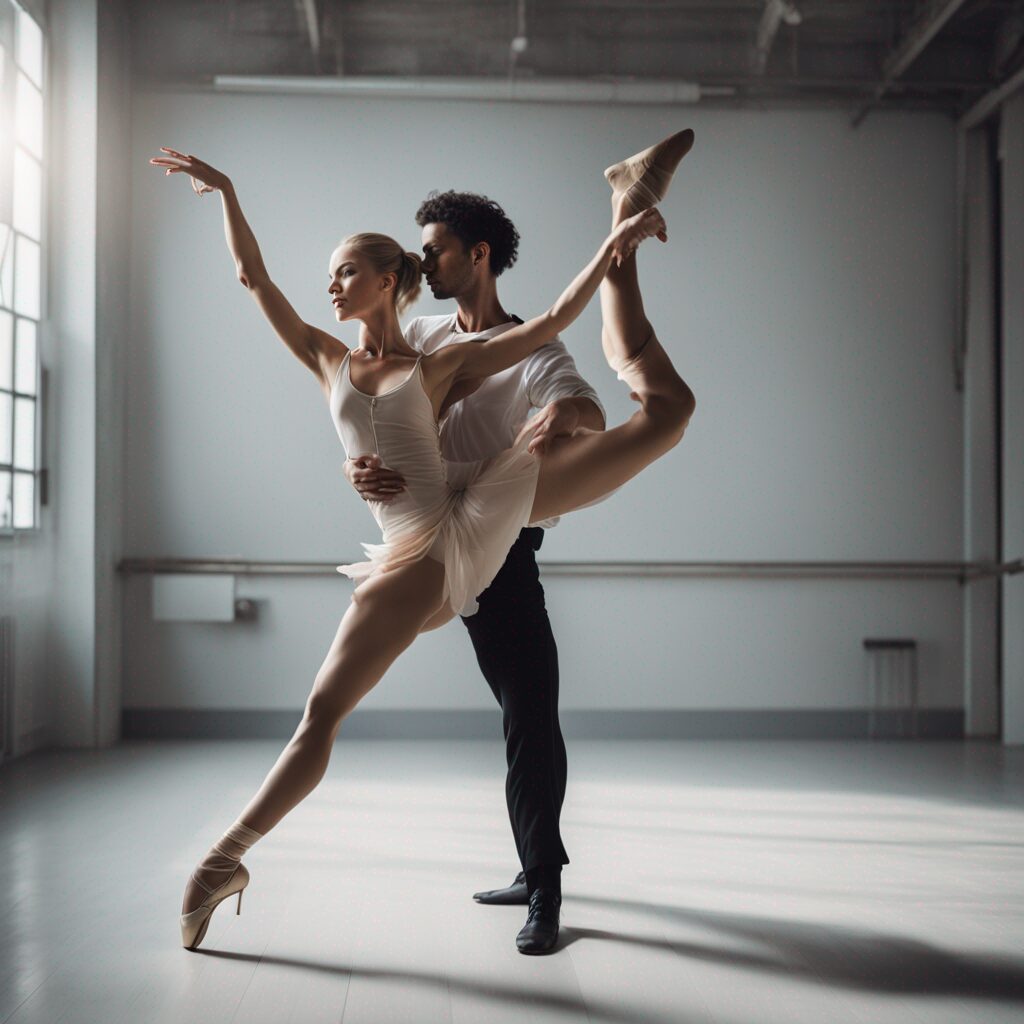
An advanced social dancer is defined less by difficult moves than by three skills working together: musicality, connection and a large, flexible vocabulary. Add spontaneity, balance on their own axis and the ability to make any partner, beginners included, feel good, and you have the profile most experienced dancers describe.
This page collects how salsa and bachata dancers answer the question “what makes an advanced dancer?” in community discussions, and turns it into a self-check you can use. If you are earlier in the journey, start with our guide to bachata for beginners.
Is there an official “advanced” level in salsa and bachata?
No. Salsa and bachata have no shared level system. Each school names its own levels, with labels such as intro, beginner, improver, intermediate and advanced, and one school’s intermediate can be another school’s advanced. Some dancers use a longer ladder that runs from intro and novice through beginner-intermediate, intermediate and advanced up to instructor and international professional. Those labels are conventions, not certifications.
West Coast Swing is different. There, placements in Jack and Jill competitions can earn World Swing Dance Council points (Wikipedia), so that community has at least one shared, competition-based record of progress. In salsa and bachata, “advanced” remains a judgement made by teachers and partners, which is why the traits below matter more than any label.
What traits do advanced dancers share?
- Musicality. They hear where a song is going: breaks, builds, quiet passages and accents. They match their energy to the music instead of running the same patterns over every song, and they respect stops and changes rather than dancing straight through them. Many dancers say that dancing off time, or ignoring a song’s energy, rules someone out of “advanced”, however impressive their moves are.
- Connection. They read small signals from a partner and respond to them. Leaders give clear, light cues. Followers can complete a cue that was only partly given.
- Vocabulary. They know many moves, but more importantly they can vary, shorten and adapt them on the fly, switching from smooth to sharp or syncopated as the music changes.
- Spontaneity. They build the dance in the moment instead of replaying memorised combinations or choreography.
- Adaptability. They can have a good dance with almost anyone, across different levels, heights, styles and personalities. A common view in the community is that the clearest sign of an advanced dancer is a beginner leaving the dance feeling good.
- Independence. They stay on their own balance and timing, so they never need to hang on, push or pull a partner to finish a move.
- Care. They keep the dance safe and comfortable, manage the space on a crowded floor, and laugh off mistakes rather than blaming anyone.
Why do so many dancers plateau at intermediate?
A popular explanation among dancers is that intermediates often have two of the three core skills. A dancer with a big vocabulary and good connection but weak musicality looks busy. One with musicality and connection but few moves feels lovely yet repetitive. One with musicality and vocabulary but weak connection can overwhelm partners. Years of dancing do not fix this automatically. Experience can make someone look advanced to newer dancers while a key element is still missing.
Research on skill learning points the same way. What drives improvement is deliberate practice: structured activities aimed at improving performance, built around a well-defined task with a clear goal, rather than simply repeating what already feels comfortable (Wikipedia on practice as a learning method).
Self-check: where are you on each trait?
| Trait | Intermediate sign | Advanced sign | How to train it |
|---|---|---|---|
| Musicality | On time, but the same energy all song | Catches breaks and changes energy with the music | Listen actively; dance one song focusing only on the breaks |
| Connection | Moves work with familiar partners | Moves work with strangers, with light contact | Dance with many partners; work on your frame in a private lesson |
| Vocabulary | Fixed combinations | Short pieces recombined on the fly | Break combinations into small pieces; drill variations |
| Spontaneity | Plans the next move in advance | Responds to the music and the partner in the moment | Freestyle practice without set patterns |
| Adaptability | Great dances with some people | Good dances with most people | Ask beginners and advanced dancers alike |
| Independence | Uses the partner for balance in turns | Stays on their own axis | Solo spins and balance drills |
| Care | Usually avoids collisions | Protects the partner and the space automatically | Dance on busy floors; keep moves compact |
How do you go from intermediate to advanced?
- Go back to basics. Advanced dancers keep revisiting the basic step, weight transfer and frame. Fundamentals are where most plateaus hide.
- Take targeted private lessons. A teacher can see what you can’t. Our guide on whether a private lesson is worth it explains how to get the most from one.
- Try small festivals and bootcamps. Smaller events often mean more direct contact with teachers and professional dancers.
- Cross-train. Another dance can unlock body movement, timing or improvisation. Our comparison of the best side dance for bachata shows which style trains what.
- Film yourself. Reviewing recordings of classes and workshops is one of the six keys go&dance recommends for improving at bachata. Practise slowly first, then at full tempo, and compare yourself with dancers you admire.
- Pick one weakness at a time. Notice in classes and socials where you struggle, whether that is footwork, body movement or connection, and work on that before moving to the next.
What does “advanced” look like for leaders and followers?
Advanced leaders give clear, early preparation, adjust patterns to the partner in front of them, choose moves that suit the music, and keep their partner safe. Their lead feels light because it comes from the body rather than the arms.
Advanced followers stay on their own axis, respond to small signals, can finish an incomplete cue, and add styling without hijacking the lead. Their following feels easy because it is neither heavy nor anticipating.
Should advanced dancers only dance with other advanced dancers?
No. Most experienced dancers would say that is the opposite of advanced. Being able to adjust to a beginner, keep the dance simple and still make it musical is one of the clearest signs of real skill. The dancers people remember are the ones who made them feel good, not the ones with the most complicated combinations.