The Unique Resonance of Bachata Music on Solo Piano
Part of: Bachata Music: The Best Bachata Songs, Artists and How the Music Works
Rediscovering Bachata Through the Piano
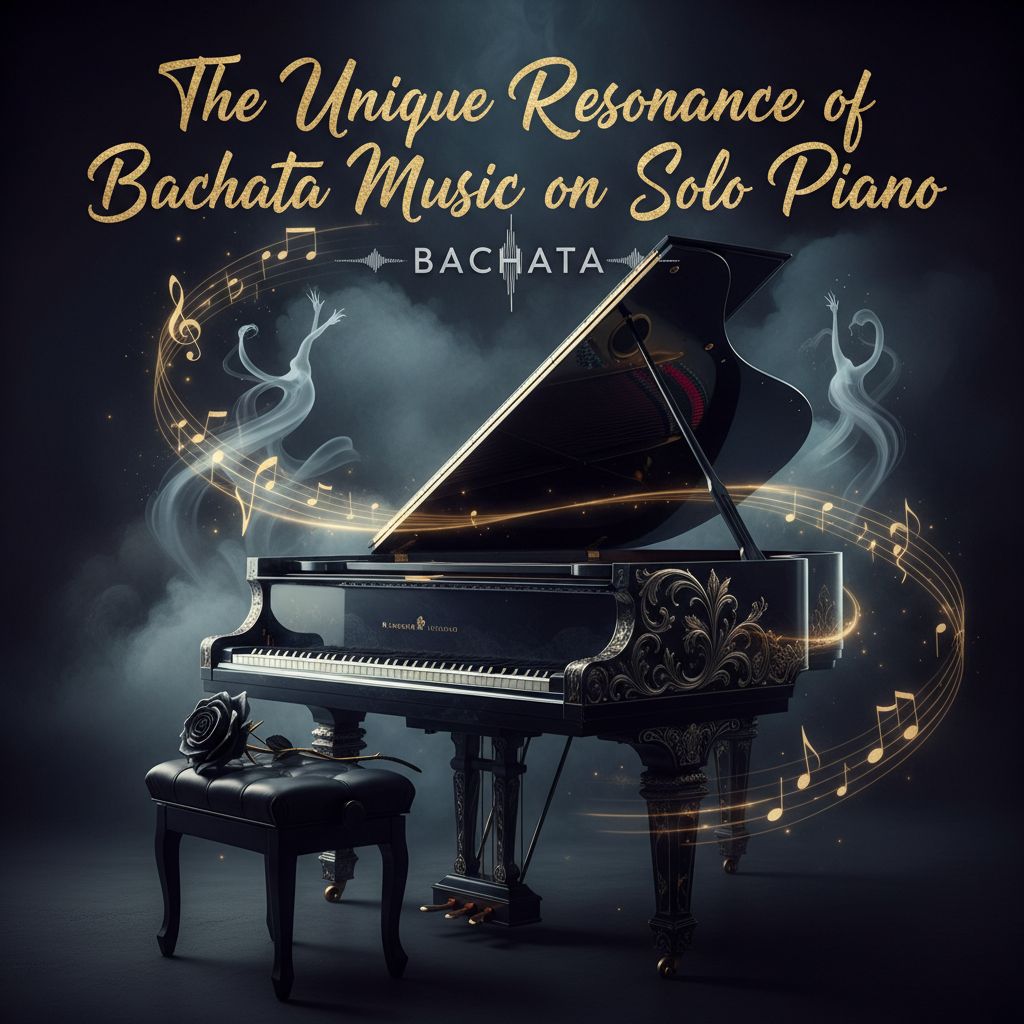
Musicians who love Bachata sometimes explore what happens when the music moves to a completely different instrument. Bachata, a genre traditionally built on guitars, bass, bongos and güira, takes on a whole new persona when played on solo piano. For the original instrumentation and how it shapes the genre, see our complete guide to bachata music.
The Storytelling Power of Bachata on Piano
Interpreting Bachata songs on the piano allows us to explore the genre’s rich narrative thread in a unique way. It’s an exhilaratingly refreshing experience that makes the music feel more intimate and personal, stripping it down to its most fundamental harmonies. The solo piano rendition of a Bachata song like ‘Propuesta Indecente’ by Romeo Santos, for instance, amplifies the raw emotion and intricate melodies.
Revealing the Hidden Layers
Bachata songs are inherently storytelling in their structure, and playing them on the piano brings out this aspect profoundly. The solo piano allows the listener to experience the song from a completely different perspective, almost like re-reading a favorite book and discovering hidden layers of meaning. This unique interpretation highlights the harmony that might otherwise get overshadowed by lyrics or other instruments.
Navigating the Challenges
Indeed, translating Bachata music to piano isn’t without its challenges. The rhythmic complexity and the nuanced interplay of instruments that define Bachata can be difficult to convey on a solo instrument like the piano. But overcoming these challenges is part of the appeal: it pushes you as an artist to think creatively and innovate.
Reimagining Melodies
Creating piano arrangements for Bachata songs involves reimagining the melodies and harmonies in a new context. Each song presents a unique puzzle, challenging the performer to capture its essence without losing the distinct Bachata flavor. However, the end result – a mesmerizing blend of classical piano and traditional Bachata – is always worth the effort.
Expanding the Bachata Soundscape
Playing Bachata on a solo piano not only changes the sound but also expands the genre’s soundscape. It opens up new avenues for interpretation and allows for a more diverse range of expression. This innovative approach contributes to the ongoing evolution of Bachata, keeping it fresh and relevant for modern audiences while still honoring its roots.
Preserving Authenticity
While experimenting is a key aspect of creating piano versions of Bachata songs, preserving the authenticity of the original music is equally important. It’s a delicate balance, but when done right, the result is a captivating musical experience that marries the best of both worlds.
In conclusion, Bachata on solo piano truly is a different experience. It’s an exploration that transcends traditional boundaries and reinvigorates this beloved genre. By embracing this novel approach, we can rediscover and celebrate Bachata music in a whole new light.