How to Ask Someone to Dance (and How to Say No) at Salsa and Bachata Socials
Part of: Salsa and Bachata Social Dance Etiquette: The Complete Do's and Don'ts
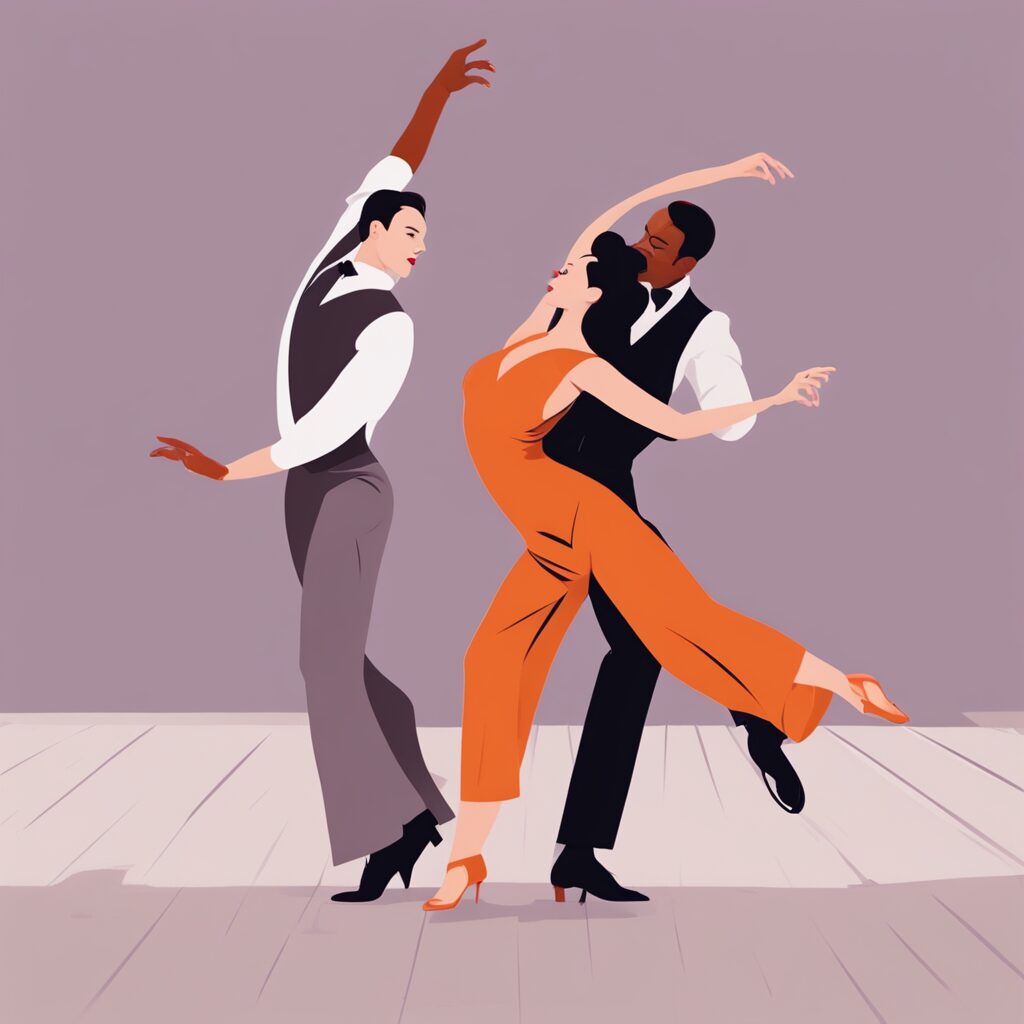
Asking someone to dance is the most basic move at any salsa or bachata social, and it is also the one many dancers find hardest. This article covers why people hold back, how to ask well, how to tell who is open to dancing, and how to say no or hear one without drama. It is part of our social dance etiquette guide for salsa and bachata.
What stops people from asking someone to dance?
The question is usually phrased as “what stops men from asking women to dance”, because in many scenes leads, most often men, still do most of the asking. In community discussions the same reasons come up again and again, and they apply to every role:
- Fear of rejection. Hearing “no thanks” in front of a room feels personal, even when it rarely is. Dancers who were turned down a few times early on often stop asking altogether.
- A perceived skill gap. Beginners worry about “wasting” a better dancer’s song, and they hesitate to approach the people they most admire.
- Mixed signals. Someone sitting down, scrolling a phone or deep in conversation looks like they are taking a break, so many people do not approach them.
- A reputation for declining. In small scenes, people notice who says no to most invitations. Dancers who turn down many dances are often asked less over time, regardless of their level.
- Habit and tradition. Where the custom is that leads ask follows, many follows wait to be asked even when they would happily ask someone themselves.
None of these are fixed. Most of them shrink with practice, and a few simple habits make asking feel routine instead of risky.
How do you ask someone to dance?
Keep it short, clear and easy to decline:
- Pick your moment. The gap between songs is the natural time to ask. Interrupting someone mid-conversation or mid-song puts them on the spot.
- Make eye contact and ask plainly. “Would you like to dance?” is enough, usually with an open hand offered. A smile does more than a clever line.
- Let them answer. Don’t take a hand that has not been offered, and don’t lead someone onto the floor before they say yes.
- Dance for them. Match the dance to your partner’s level and comfort, especially with a beginner or someone you have never danced with.
- Close well. Say thank you at the end and, at a crowded event, walk your partner off the floor or back towards where you met.
Many dancers set themselves a small goal, such as asking three new people each night, to build the habit. Dancers who ask regularly often say that an occasional no soon stops feeling like a big deal.
Can follows ask leads to dance?
Yes. At most socials anyone can ask anyone, whatever their role or gender. The habit of leads doing the asking comes from older social customs, and dancers in many scenes describe it fading. More follows ask leads now, more women lead, and many dancers switch roles. Community discussions about “traditional” salsa socials show mixed feelings: some dancers enjoy the old structure, while others find it leaves follows waiting on the sidelines. Most people agree on one practical point. Whoever asks, the dance should be fun for both partners, and that matters more than who started it.
If you are a follow who usually waits, asking is the quickest way to get more dances. It also makes it easier for people who are shy about approaching you.
How can you tell if someone wants to dance?
Body language is a guide, not a contract:
- Usually open to a dance: standing at the edge of the floor, facing it, moving to the music, making eye contact.
- Usually taking a break: sitting down, changing shoes, drinking, eating, in a focused conversation, or packing up.
- Solo dancers: someone dancing alone near the floor is often happy to be asked. Someone working through footwork in a corner, or facing away from the room, may want to be left in their zone. When in doubt, a quick, polite question settles it. Nobody expects you to read minds, and a polite decline costs nothing.
If you want to be asked more, the same signals work in reverse. Stand where you can be seen, look interested in the music, and say yes to beginners now and then.
How do you say no to a dance politely?
Everyone has the right to decline a dance, for any reason, without having to explain. Tiredness, a song you don’t like, an earlier bad experience or simply wanting to rest are all valid. A short, kind answer is enough:
- “No thanks, I’m taking a break.”
- “Not this one, thank you.”
- “Maybe later?” Use this only if you mean it. If you say it, try to find that person later.
Some scenes keep an older convention that if you turn someone down, you sit out that song rather than dancing it with someone else. Many dancers still consider that courteous. It is a courtesy, though, not an obligation. If someone made you uncomfortable before, your safety comes first and you never owe them a dance. Persistent problems belong with the organizers. The boundaries side of this is covered in our guide to bachata boundaries and respect.
How should you react when someone says no?
The best answer is short: “No problem, enjoy the night”, then move on. A few habits matter:
- Don’t ask why. Pushing for a reason turns a simple no into an awkward negotiation.
- Don’t ask again the same night unless they come back to you or said “later”.
- Don’t take it as a verdict. A no is about that person, at that moment. It says nothing about your worth as a dancer.
- Keep it separate from the rest of your night. The next invitation is a fresh start.
The same applies off the floor. If you enjoy dancing with someone and ask for their number or social media, and they decline, accept it and keep things friendly. You can still dance with them later. Most dancers see socials as dance events first, so focus on the dancing unless the other person clearly shows interest in more. Rejection, mixed signals and reading reactions after a dance are covered in more depth in our guide to handling dance rejection.
The short version
- Ask between songs, clearly and kindly, and make declining easy.
- Anyone can ask anyone, whatever their role or gender.
- Read body language, but when unsure, just ask politely.
- Say no without guilt and without long explanations.
- Take a no with a smile and move on.