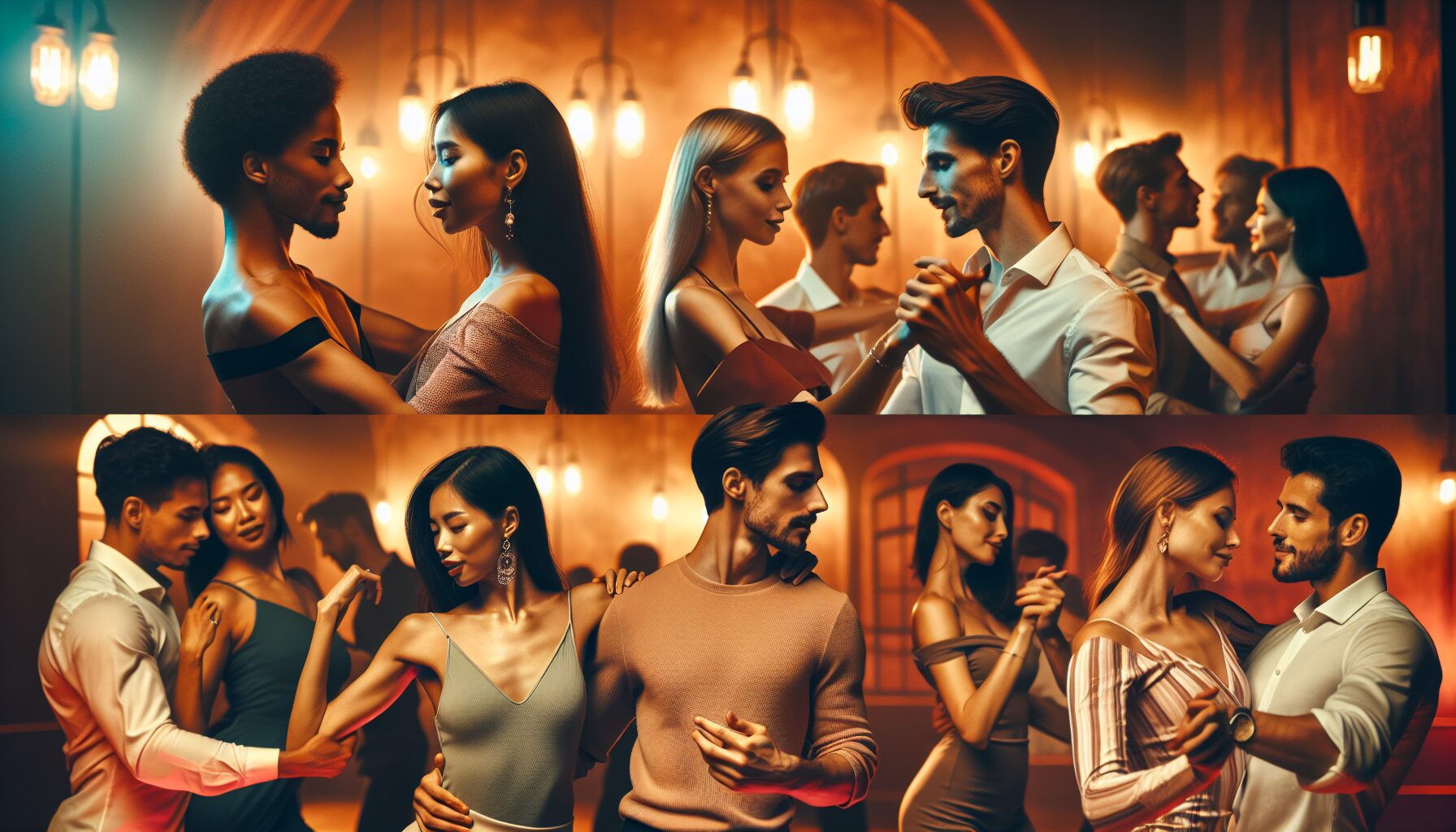
Sensual Bachata for Beginners: How to Get Comfortable (and Safe)
Part of: Bachata Styles Explained: Dominican vs Moderna vs Sensual
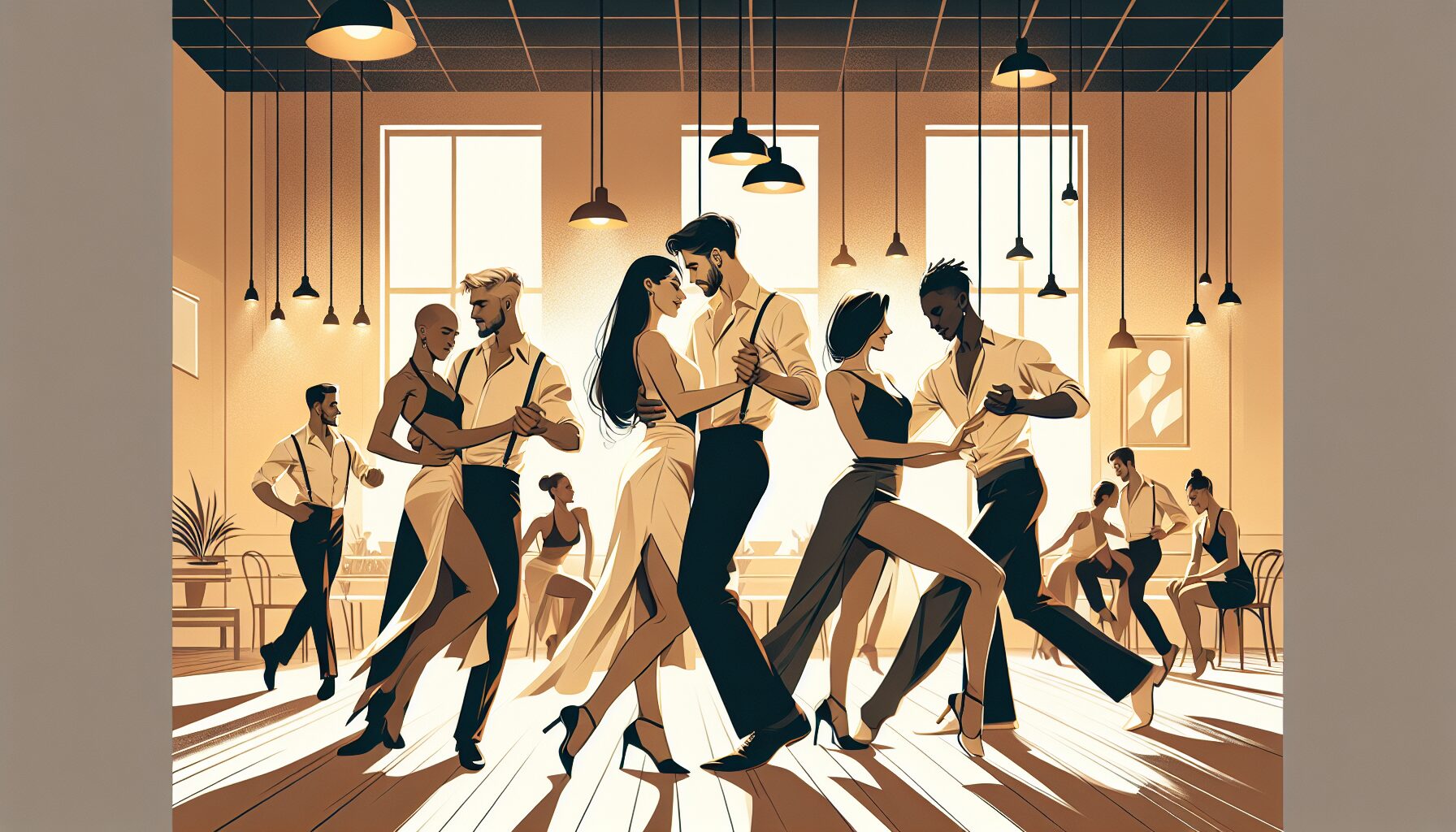
To start sensual bachata, get the basic step and timing solid first. Then practice isolations and body waves slowly on your own, try them with a partner in class, and only then use them at socials, on slow sections, with partners who are comfortable. Feeling awkward at first is normal, and nobody needs sensual moves to be a good dancer.
Sensual is one of several bachata styles, and it is not the easiest place to start. If you are still deciding which style suits you, our guide to the main bachata styles compares them side by side. This page is for beginners who want to try sensual bachata but feel intimidated by it.
Why does sensual bachata feel so intimidating?
Beginners in sensual-heavy scenes usually mention three worries:
- The moves feel exposed. Body rolls, waves and styling are more expressive than a side basic, and many people feel self-conscious doing them in front of others.
- The closeness. The style is usually danced in a close hold. That can feel like a lot with a partner you have just met.
- The complexity. Watching experienced couples or performance videos makes it look like years of work before you can join in.
All three are reasonable, and none of them means the style isn’t for you. The usual fix is not more courage. It is a better order of learning.
What should you learn before sensual moves?
Start with plain bachata. Learn the side-to-side basic (1, 2, 3, tap; 5, 6, 7, tap), keep the timing steady across different songs, and practice a frame that is gentle but clear. Sensual technique is built on top of this. Without it, waves and dips feel like tricks added on, and they are hard to lead or follow.
Many dancers also suggest trying both roles for a while. Followers who have led a few moves understand what a clear lead feels like. Leads who have followed learn quickly how a rushed head movement feels from the other side.
A practical progression: from basics to social dancing
The table below sums up the order most teachers and experienced social dancers recommend:
| Stage | What to work on | Where |
|---|---|---|
| 1. Foundation | Basic step, timing, simple turns, a comfortable frame | Beginner classes, socials |
| 2. Isolations | Hips, ribcage, chest and shoulders moving separately, slowly | Solo, in front of a mirror |
| 3. Waves and rolls | Body waves through the spine, one section at a time, at half speed | Solo, then in class |
| 4. Partner connection | Feeling weight changes, leading from the torso, asking about comfort | Sensual classes with a regular partner or rotation |
| 5. First social use | One or two sensual moves on intros or slow, melodic sections | Socials, with partners who seem comfortable |
| 6. Musicality | Matching movement to the song: waves for drawn-out phrases, footwork for rhythm | Ongoing |
Don’t skip ahead. The most common mistake is rushing into show-stopping combinations before the basics are steady. Complex moves are the icing, not the cake.
How do you get comfortable with moves that feel silly?
Almost everyone finds some sensual “decorations” awkward at first: arm styling, hair movement, slow rolls. Dancers in the community suggest a few ways through it:
- Practice the move on its own. Break it down and repeat it outside the dance until the mechanics feel familiar.
- Exaggerate in practice, then scale back. A big version at home makes a smaller version on the floor feel natural.
- Make it your own. If an arm movement feels too flamboyant, tone it down until it suits you. Bachata leaves plenty of room for interpretation.
- Let the music lead. A move that feels silly in silence often makes sense on the right part of the right song.
- Give it time. Familiarity, not talent, is what makes a move stop feeling strange.
It is also fine to decide that sensual bachata isn’t for you, or not yet. Plenty of dancers prefer Dominican or moderna bachata, especially on the social floor. If you are curious why the style divides people, see why so many dancers dislike bachata sensual.
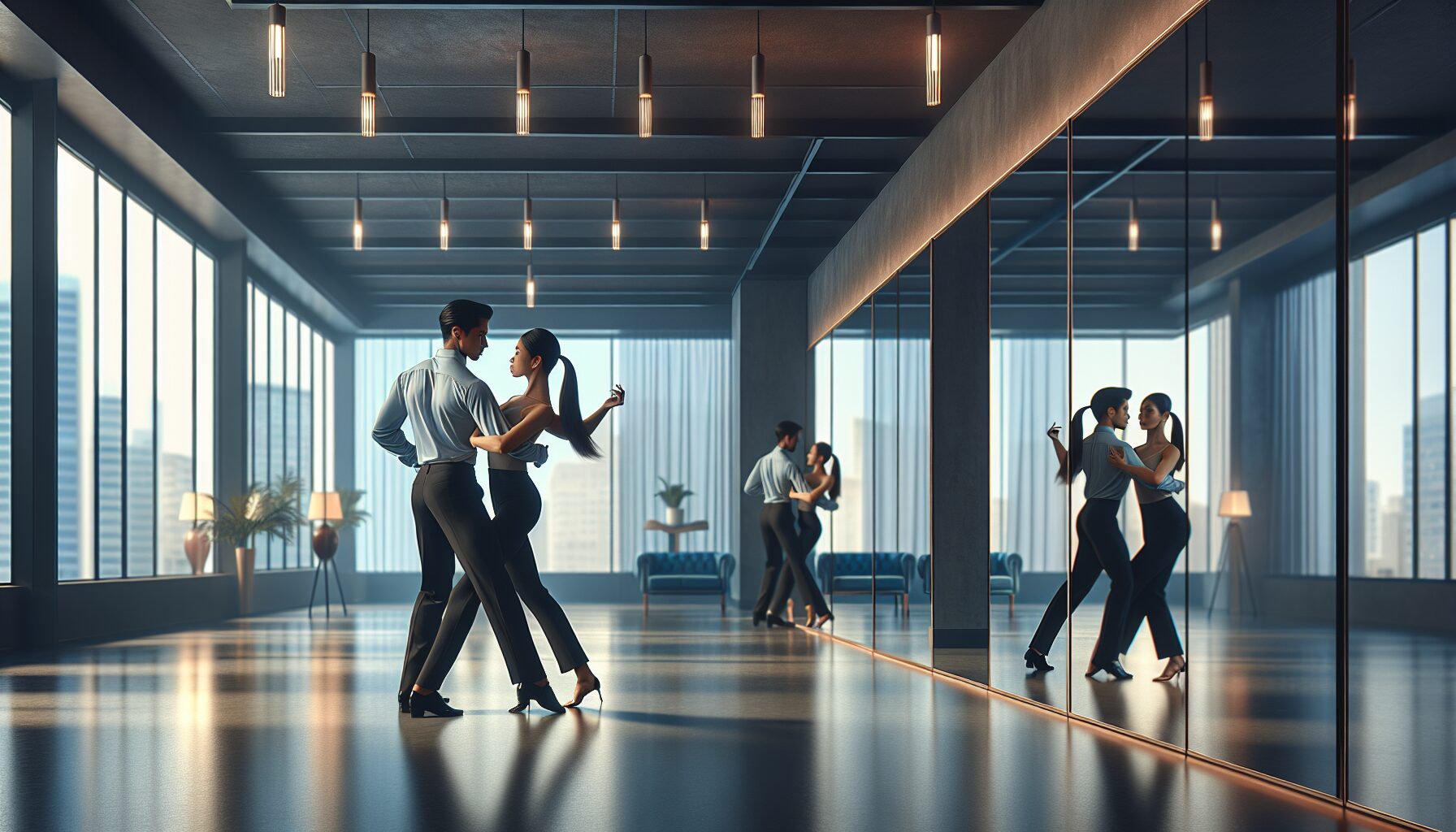
How do leads learn sensual moves safely?
Leading sensual bachata depends on body leading. Instead of steering with the hands, the lead guides the follower with the torso, weight changes and a stable frame. SalsaVida’s overview of bachata styles puts it plainly: forcing body waves, dips or close-position movement is not good sensual bachata. A few principles keep it safe:
- Never pull or push the head. Head rolls and upper-body movement should follow from the torso. The follower’s neck should never be moved by the lead’s hands. Skip these moves with new partners.
- Adapt to your partner. Every follower has a different level and comfort zone. Small adjustments that make a move work for this person matter more than finishing the pattern.
- Practice at a manageable speed. Try new moves first in class and then during intros or slow passages, not in the fastest part of a song.
- Check in. A quick question before the dance, plus attention to how your partner responds during it, prevents most bad experiences.
Do you have to dance sensual moves to be a good leader?
No. Dancers who discussed this were clear that followers judge leads mainly on comfort, clarity and musicality, not on how many waves they lead. A lead who dances clean, well-timed bachata, respects their partner and matches the energy of the song is a good lead in any style. If a song calls for something softer, you can show that through slower steps, smaller movement and pauses, without using sensual moves.
Ask partners you trust for feedback, but take it with a grain of salt. What one follower loves, another may not want at all.
FAQ
Can you learn sensual bachata without a partner?
You can do most of the groundwork alone: isolations, waves and timing. Connection and body leading need a partner, so classes with partner rotation are the usual next step.
Is it okay to say no to sensual moves on the social floor?
Yes. Saying before the dance that you would rather skip waves, head rolls or close embrace is normal, and good dancers adjust without fuss.
What exactly makes a dance “sensual bachata”?
The style was developed in Cádiz, Spain, by Korke Escalona and Judith Cordero. It adds waves, isolations and circular movement to the bachata basic (Wikipedia: Bachata (dance)). For a fuller explanation, read what sensual bachata is and how it’s danced.