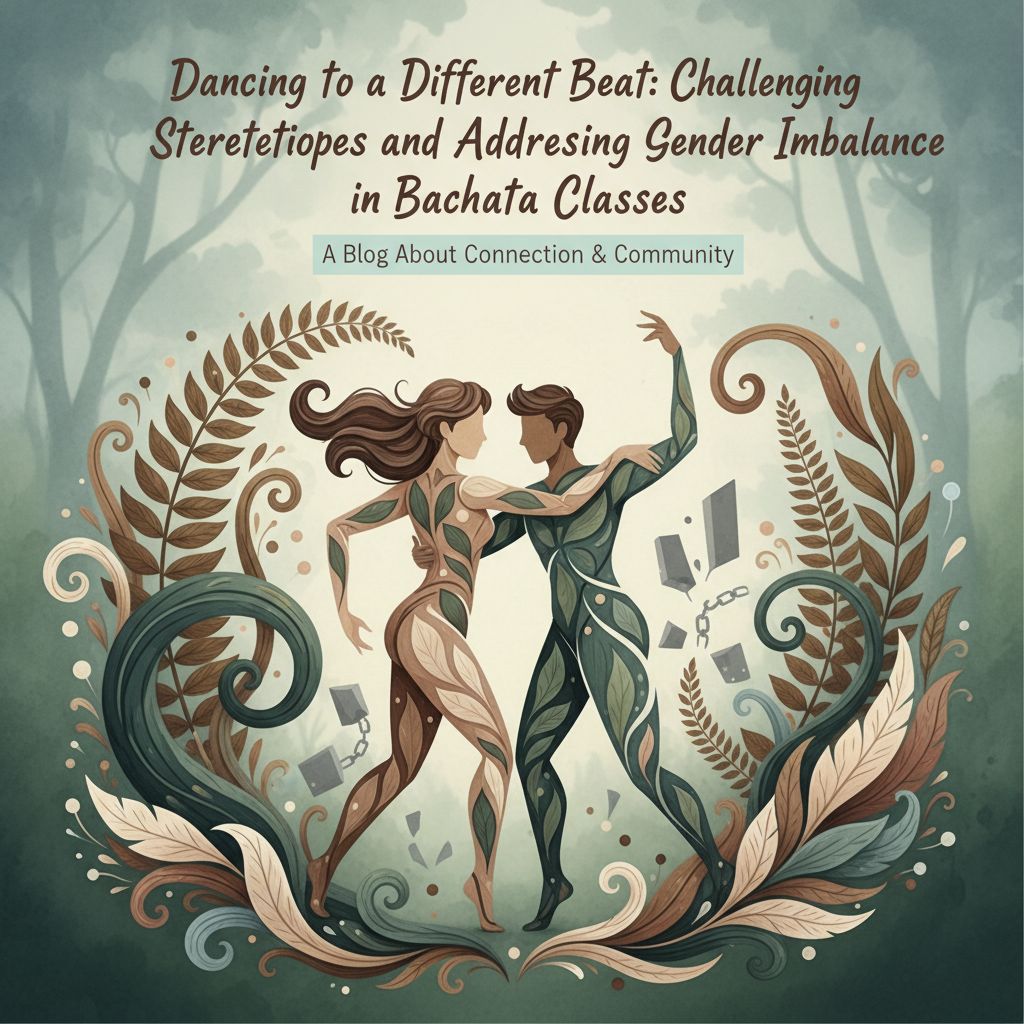
Dancing to a Different Beat: Challenging Stereotypes and Addressing Gender Imbalance in Bachata Classes
Breaking the Mold: The ‘Real Man’ and the Dance Floor
Questioning societal norms and stereotypes is an essential part of personal and societal growth. Among the many assumptions present in our society, one that is often subtly endorsed is the idea that ‘real men’ don’t dance. This notion is not only outdated but also restricts the potential of many individuals who might find joy, community, and personal growth through dance. Bachata, a vibrant and sensual dance from the Dominican Republic, is one such platform where these gender-based stereotypes are being challenged.
For the Love of Dance: Bachata and Its Lure
Bachata is more than just a dance; it’s an expression of culture, emotion, and physicality that connects people from different walks of life. The sensual movements, rhythmic beats, and the close connection between partners create an intimate atmosphere that makes it appealing to both men and women. However, like many other partner dances, it has not been immune to gender imbalance in dance classes.
Proportions at Dance Classes: An Unbalanced Equation
In many parts of the world, dance classes often see a significant imbalance, with more women than men enrolling. This imbalance can affect the overall experience of dance classes, leaving some participants feeling discouraged and demotivated. As a result, the unbalanced ratio can potentially hinder the growth of the local dance community.
Addressing the Elephant in the Room: Solutions to Gender Imbalance
Addressing gender imbalance at dance classes is a multi-faceted challenge. It involves confronting societal stereotypes, encouraging more men to join dance classes, and implementing practical solutions to manage the situation in the interim. Engaging in open dialogues about the value and benefits of dance for everyone, irrespective of gender, can help break the stereotype that ‘real men’ don’t dance.
Schools and event organizers can also implement certain measures to tackle the imbalance. For instance, wait-listing can ensure that the number of participants is balanced before the classes or events begin. Offering discounts for lead-follow couples who sign up together can also incentivize more balanced enrollment.
Changing the Narrative: Dance as a Universal Joy
The narrative that ‘real men’ don’t dance needs to change. Dance, in its essence, is a universal joy, a form of artistic expression that knows no gender, and Bachata is no exception. By challenging stereotypes, addressing gender imbalances, and spreading the joy of dance, we can build more inclusive, vibrant, and balanced dance communities.
Conclusion: Let’s Dance to a Different Tune
The journey to balance in Bachata classes is indeed challenging, but not impossible. It is about challenging old notions, embracing new perspectives, and creating inclusive spaces for everyone to truly enjoy the magic of dance. So let’s put on our dancing shoes, let the music guide us, and dance to a different tune, a tune that speaks of inclusion, balance, and the pure joy of dance.