Too Old for Bachata? Starting Later and Dancing Across Generations
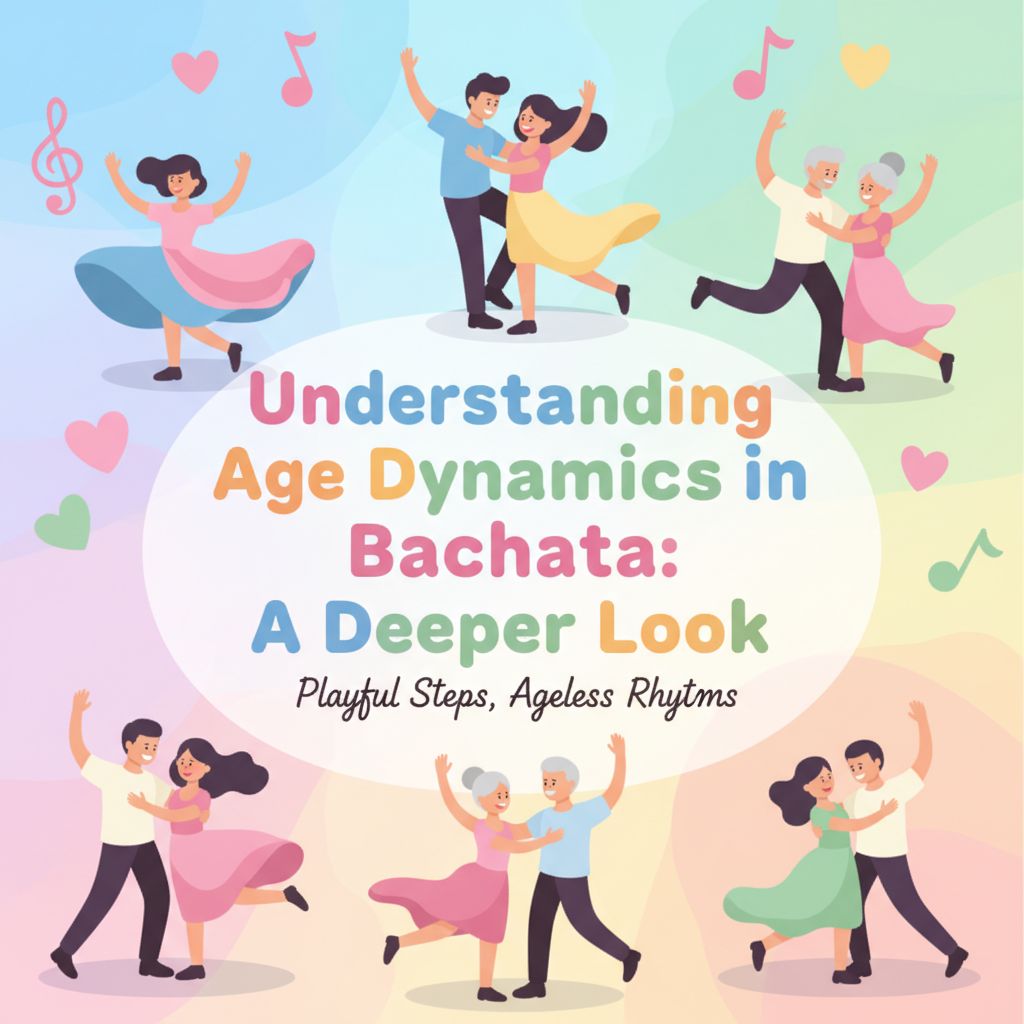
You are not too old for bachata. Most social floors mix dancers from their twenties to their sixties and beyond, the basic step is one of the easiest partner-dance steps to learn, and you can pick a style and pace that suits your body. On the floor, musicality, connection and respect count for far more than your birth year.
Is there an age limit for learning bachata?
No. Bachata is a common first partner dance for people who start in their thirties, forties, fifties or later, for a few reasons:
- The basic is simple. Three steps and a tap or hip accent on 4 and 8, repeated. Most beginners can dance it to music within a lesson or two.
- The tempo is manageable. Many bachata songs are slower than typical salsa, which gives you time to think between moves.
- You choose the intensity. Dominican bachata is upright and footwork-based; modern and sensual bachata add body waves, dips and more upper-body movement. All of the more demanding elements are optional on a social floor.
Dancing is also good exercise at any age. The NHS includes dance for fitness among recommended activities for adults over 65, and advises older adults to do activities that improve strength, balance and flexibility on at least two days a week. If you have a heart condition, joint problems or other health concerns, check with your doctor before starting, and see our guide to dancing bachata with back pain if your back is a worry.
What if you feel out of place among younger dancers?
This is one of the most common worries among newer dancers over 35. A few things help to keep it in perspective.
Videos are not the scene. Instructor demos and festival clips skew young and performance-level. A typical local social is far more mixed, and plenty of strong social dancers have been dancing for many years, so they are rarely the youngest people in the room.
Confidence comes from the basics, not your age. Feeling awkward is part of learning any dance, at any age. Dancers who are comfortable on the floor are usually the ones who can dance a clean basic on time and keep a comfortable frame, not the ones with the most moves.
Practical ways to settle in:
- Sign up for a class series rather than occasional drop-ins, so you get to know a group of classmates.
- Go to the social right after your class, when you already know people on the floor.
- Bring a friend or partner for the first few socials.
- Arrive early, when the floor is quieter.
- Try studio parties and earlier-evening events if late club nights feel intimidating.
- Compare yourself with where you were last month, not with the best dancer in the room.
Is it appropriate to dance with partners of very different ages?
Yes. On a social floor, a dance between adults of different ages is normal, and seeing an older lead with a younger follow, or the other way round, is part of what makes socials work. Some people find large age gaps uncomfortable to watch, and attitudes vary from scene to scene and culture to culture, but age itself is not the issue.
What matters is behaviour. A respectful dancer of any age:
- asks politely and accepts a “no” without pushing or asking for a reason
- matches the closeness of the embrace to what the partner offers, and opens it up if the partner pulls back
- keeps hands and body contact within standard technique
- does not use dances to flirt with someone who is not responding
- does not repeatedly ask the same person, or follow them around the room
Those rules apply equally to a 25-year-old and a 65-year-old. If a dancer’s behaviour makes others uncomfortable, that is a matter for the organiser, whatever their age.
It works in the other direction too. Younger dancers often hesitate to ask older dancers, and older dancers sometimes assume younger dancers will not want to dance with them. In practice, most social dancers are happy to dance with anyone who dances with care.
How does bachata fit different stages of life?
Bachata adapts well to changing schedules and energy levels:
- Students and young professionals often dance several nights a week and travel to festivals.
- Parents and busy workers may only manage a weekly class and one social a month, and still progress steadily.
- Retirees often have access to daytime classes and quieter weekday socials.
You can dance three songs and sit down, or dance all night. Nobody keeps score, and the people who stay in the scene longest are usually the ones who dance at a pace they enjoy.
The same questions come up in salsa, where scenes in some cities are getting older on average. Our article on age in the salsa scene and joining a salsa team later in life covers that side.
FAQ
Am I too old to start bachata at 50 or 60?
No. Many dancers start at that age. Choose a beginner class series, start with Dominican or simple modern bachata, and build up at your own pace. If you have health concerns, ask your doctor first.
Is it strange for an older dancer to ask a younger dancer to dance?
No. Asking anyone to dance is normal on a social floor, as long as you ask politely and accept a “no” gracefully.
Do I need to be fit to start?
No. Classes start slowly, and fitness tends to build as you dance. You can sit out songs whenever you need to.